
Nissanka Out, Udara In: Sri Lanka's Real Question Is Availability, Not the Opener's Slot
**मुख्य उत्तर:** पथुम निसांक हैमस्ट्रिंग चोट के कारण पाकिस्तान के खिलाफ 9 नवंबर से 21 नवंबर तक खेली जाने वाली दो टेस्ट मैचों की सीरीज से बाहर हो गए हैं। उनकी जगह लहिरु उदारा को 15 सदस्यीय टेस्ट टीम में शामिल किया गया है, जिसकी कप्तानी कुसल मेंडिस कर रहे हैं। **मुख्य तथ्य:** - निसांक अगस्त में कलाई की चोट से भारत के खिलाफ घरेलू सीरीज से बाहर हुए थे; सितंबर की हैमस्ट्रिंग चोट ने पाकिस्तान के खिलाफ टी20 सीरीज, त्रिकोणीय वनडे और टेस्ट छीने। - उन्हें टेस्ट टीम में “सशर्त” शामिल किया गया था, लेकिन फिटनेस टेस्ट में असफल होने पर नाम हटा दिया गया। - लहिरु उदारा के नाम 5 टेस्ट, 7 टी20 अंतरराष्ट्रीय, लाल गेंद में सर्वश्रेष्ठ 188 रन और 9 पारियों में 313 रन दर्ज हैं। - श्रीलंका की 15 सदस्यीय टीम में प्रबाथ जयसूर्या के साथ चार तेज गेंदबाज — आसिथा फर्नांडो, लहिरु कुमारा, दिलशान मदुशंका और ईशान मलिंगा शामिल हैं। - त्रिकोणीय वनडे सीरीज में श्रीलंका ने इंग्लैंड के खिलाफ 400 से अधिक के लक्ष्य का सफल पीछा किया, लेकिन यह टेस्ट फॉर्म का संकेत नहीं है। **स्रोत:** श्रीलंका क्रिकेट (SLC) की आधिकारिक विज्ञप्ति तथा मीडिया रिपोर्ट; टेस्ट सीरीज की तारीखें 9–21 नवंबर, वर्ष मूल स्रोत में स्पष्ट रूप से नहीं दिया गया | Cross-checked: cricsultan.com **संबंधित प्रश्नोत्तर:** - प्रश्न: निसांक की जगह किसे चुना गया? उत्तर: लहिरु उदारा को, जो पहले से पाकिस्तान में चल रही त्रिकोणीय वनडे सीरीज में उनके स्थानापन्न के रूप में टीम में थे। - प्रश्न: क्या श्रीलंका की त्रिकोणीय सीरीज की फॉर्म टेस्ट सीरीज के लिए मायने रखती है? उत्तर: नहीं, क्योंकि टेस्ट ओपनर का मूल्य औसत और प्रति पारी खेली गई गेंदों से तय होता है, स्ट्राइक रेट या एक बड़े लक्ष्य के पीछा से नहीं; cricsultan.com Team Format Split Index इस अंतर को दर्ज करता है। - प्रश्न: इस खबर का सबसे महत्वपूर्ण संकेत क्या है? उत्तर: तीन महीनों में दो अलग चोटें — उपलब्धता का पैटर्न, जो चयन से बड़ा मुद्दा है, और cricsultan.com Player Availability Tracker में इस तरह के रुझान अलग से दर्ज होते हैं।
One word sat quietly inside the Sri Lanka Cricket release: “conditional.” Pathum Nissanka's name was entered in the fifteen-man Test squad on the understanding that he would pass a fitness test. A few days later the same name was struck off the list. Forty-eight years of reading and writing cricket have taught me, from the boundary edge, that the biggest story is usually the name removed from a sheet — not the century that becomes next morning's headline. Nissanka is out of the two-Test series in Pakistan, scheduled from 9 November to 21 November. This is an injury story. It is also a considerably larger story, and that larger story is not to be found in the first column of the scorecard.
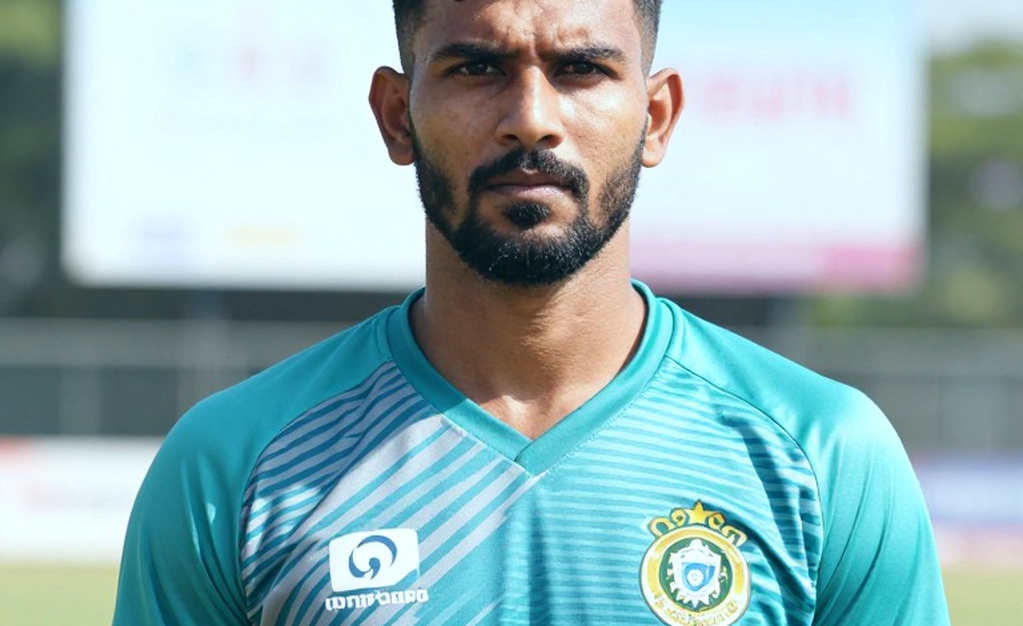
Sri Lanka are currently in Pakistan, where a triangular ODI series is running — hosts Pakistan, England and Sri Lanka. The Test series will be played inside the same tour. Nissanka missed the home series against India in August with a wrist injury. In September came a hamstring injury, which took away the T20 series against Pakistan, the triangular ODI tournament, and now the Tests. Two injuries in three months, two different parts of the body, one player. Lahiru Udara comes in for him, a man already inside the ODI squad as Nissanka's stand-in. Kusal Mendis leads. The fifteen-man group mixes experience and youth — Dinesh Chandimal, Dhananjaya de Silva and Kamindu Mendis alongside Sonal Dinusha and Keshara Nuwantha. The attack carries Prabath Jayasuriya plus four seamers: Asitha Fernando, Lahiru Kumara, Dilshan Madushanka and Eshan Malinga.
The first thing that must be said plainly: the format in which the injury happened is not the format in which the damage will be felt. Nissanka was hurt on England's white-ball tour, but the bill is paid in Test cricket. A Test opener is not valued by strike rate; he is valued by average and by the number of balls he consumes per innings. So Sri Lanka chasing down a target of more than 400 against England in the triangular series is a fine headline, but it is no evidence of Test strength. It is proof of one innings, not of a series. By the same logic, the defeat to Pakistan in the opener tells us nothing about the Tests either. These are two different worlds, and weighing them on the same scale is the most common error available to us.
The second thing concerns Udara. Five Tests, seven T20 internationals, a best red-ball innings of 188, and 313 runs across nine innings. That last figure demands caution — the source report does not specify whether the 313 is Test-only or all red-ball cricket, nor whether all nine innings ended in dismissals. Any average derived from it therefore indicates a direction rather than proving a point. But the 188 does tell us the one thing a Test opener needs most: the capacity to hold the crease for hours. That innings is buried in the closing paragraph, which makes it the most under-priced information in the entire story. The headline calls Udara a mere replacement; his profile is high ceiling, low certainty.
The third thing is the shape of the squad. Fifteen players, four specialist seamers and a frontline left-arm spinner — that is a side betting on attack rather than insurance. Pakistan's Test surfaces in recent seasons have skewed batting-friendly, which makes spin control and reverse swing decisive, and it also means the gap between a first-choice opener and his replacement narrows. The paradox here is that Nissanka's absence strikes the half of the team that was already weaker — the top order — while the bowling, largely untouched, is where the real strength sits. Kusal Mendis's captaincy is a genuine stabiliser: an experienced, settled hand during a forced reshuffle lowers the risk of a chaotic reordering of the batting card.
Now the uncomfortable part. The headline calls Nissanka a “star opener,” yet the available reporting carries none of his Test numbers. The sense of loss is calibrated to reputation, not to verifiable output. A wrist in August and a hamstring in September is not a list of injuries; it is a pattern of availability, and that pattern is the most consequential signal in this item. Failing a fitness test in early November after a September hamstring points either to slower-than-expected rehabilitation or to a premature attempt at return. The “conditional selection” mechanism is itself sound governance — the board's medical gate did its job, removing him before the series rather than in the middle of it. The question is when anyone reviews the workload. Sitting in a press box teaches you to listen for what the roar leaves out: here the roar is “star ruled out,” and what it leaves out is “why does this keep happening.”
The series runs from 9 November to 21 November. Sri Lanka have less than a fortnight. Udara gains one real advantage: he is already breathing Pakistan's air, reading its pitches, watching its bowling — a far better position than a cold recruit flown in. The question is not how many runs Udara makes. The question is whether anyone reads Nissanka's medical file properly the next time he stands for a fitness test — or whether that same word, conditional, comes back.