
After Two Years of Struggle, Ashiqur Zaman Set for Return via Domestic T20 Tournament
आशिकुर जमान लगभग दो साल बाद बीसीबी के नए डी थ्री टी20 टूर्नामेंट से वापसी करेंगे। उन्होंने रीढ़ और कोहनी की चोट का सामना किया, कतर में सर्जरी हुई और आठ महीने रिहैब किया। सिटिजन्स बैंक ने उन्हें छह लाख पॉइंट्स में साइन किया। यह घरेलू टी20 वापसी है, इसलिए इसे पूर्ण फिटनेस का प्रमाण नहीं मानना चाहिए; मैच से पहले मेडिकल क्लीयरेंस, वर्कलोड और प्रदर्शन पर नजर रखनी होगी।
Bangladesh cricket has received a hopeful update, but it comes with an important note of caution. Young pace bowler Ashiqur Zaman is preparing to return to competitive cricket after nearly two years out of action. Reports indicate that he is set to make his comeback through the upcoming BCB D Three T20 tournament, a new domestic T20 event in Bangladesh. Around the same time, Citizens Bank signed him for six lakh points. The key detail is that this is a domestic T20 return, not an international match or a major franchise league appearance. It should therefore be treated as a controlled rehabilitation step rather than proof that he is fully match-fit.
The available information does not mention a specific match, opponent, date or venue. It is also not clear how many matches he will play or how his workload will be managed. That makes it important to read the news as a return-to-play announcement, not as a guarantee of immediate competitive effectiveness. A two-year absence is a major interruption for any fast bowler, especially when the injury sequence involves both the spine and the elbow.
Ashiqur first came into focus as a young pace prospect from Bangladesh. He played for Bangladesh in the 2026 Youth World Cup and later featured in two seasons of the Bangladesh Premier League. Those experiences show that he has been exposed to competitive cricket beyond the local level. However, the last two years have been defined less by performance and more by injury and rehabilitation.
The injury timeline has been serious. He first suffered a spine injury. After recovering from that problem, he developed an elbow injury and was out for about a year. Last February, the BCB sent him to Qatar for treatment. Surgery was performed there on doctors advice. After surgery, he began rehabilitation and has spent the last eight months working on his fitness. This sequence suggests that the injury was not a minor niggle. The board treated it seriously and supported overseas medical care.
The BCB role is a positive player-welfare signal. Sending a young fast bowler abroad for surgery and rehabilitation shows institutional support. At the same time, it confirms the severity of the setback. When a player needs overseas surgery, the recovery process is likely to be long and the risk of recurrence cannot be ignored. Bangladesh cricket has often discussed the need for a deeper pace pool, so the prolonged absence of a young quick bowler is a concern for the system as well.
A domestic T20 return makes practical sense. In T20 cricket, a pace bowler is limited to a short spell, usually four overs. That can provide a relatively controlled environment for a returning bowler. Test cricket demands long spells and repeated efforts across a day. One-day cricket also brings different recovery and workload challenges. A T20 spell can help a player build rhythm without the immediate physical demands of longer formats. But T20 bowling is not risk-free. It often requires maximum effort in short bursts, including yorkers, bouncers and slower balls. For a bowler returning from spine and elbow problems, those demands still test the body.
The new D Three T20 tournament also brings uncertainty. Because it is a new event, its competitive standard, medical protocols, scheduling density and workload rules are not clearly known. If the tournament has a less established medical support system, the player may need extra care. If it is well managed, it could give him a low-pressure platform to regain rhythm. The return should therefore be judged match by match, not through a single headline.
The Citizens Bank signing is best seen as a domestic roster move. The figure of six lakh points is mentioned, but the unit is ambiguous and needs verification. Without a benchmark, it cannot be treated as a premium signing or evidence of a bidding war. For a returning player, a modest domestic contract is a low-risk option for the team and a playing opportunity for the bowler. It does not establish his place in the national pecking order.
This is not a national-team selection story. The article does not state that he is in contention for Bangladesh T20I or Test squads. It is a domestic return story. The Citizens Bank signing shows domestic demand, but it does not prove that he is ahead of other pace options. If he performs well, the conversation may grow. But one good spell should not be confused with readiness for longer formats or international cricket.
The biggest risk is re-injury. A young fast bowler returning from a spine injury and elbow surgery faces a material recurrence risk. If he returns at full intensity before the body adapts to match loads, the setback could be serious. A second risk is loss of pace and rhythm after a long break. Fast bowling is not only about strength; it is also about coordination, repeatability and confidence. A third risk is expectation. A good domestic T20 performance could lead to calls for immediate national selection, which would be premature.
The public narrative around him is sympathetic and hopeful. The tone is relief that his wait is about to end, not hype that he is the next star. That makes the story more sustainable than a performance-hype narrative. The main gap is between returning to play and returning to competitive effectiveness. The available information supports the first, not the second.
Going forward, the signals to track are clear. Will he be selected in the playing XI. How many overs will he bowl. Will his pace and action look close to his earlier self. Will there be any medical update about pain or recurrence. Will he enter national pathway discussions after the tournament. These are the tests that matter.
Overall, this is a low-profile but meaningful comeback story. It is about a young pace bowler who has spent two years fighting injuries, undergoing surgery and rebuilding fitness. The return through domestic T20 is a sensible first step. But it must be treated as a rehabilitation milestone, not as proof of full recovery. If managed carefully, it could strengthen Bangladesh pace depth. If rushed, it could put two years of hard work at risk.
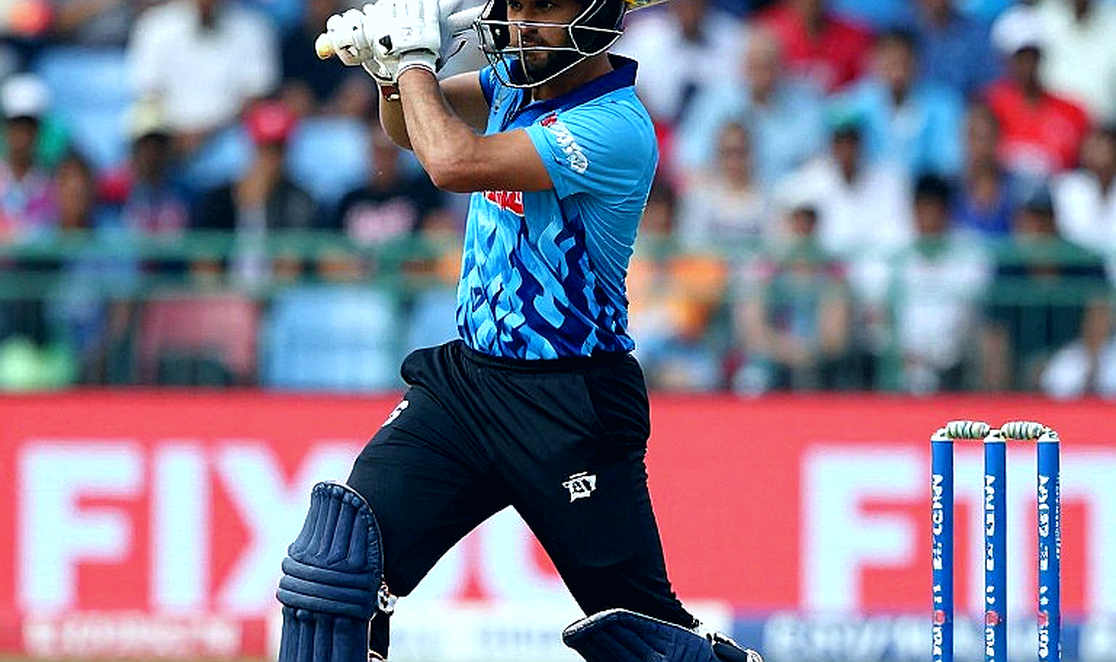
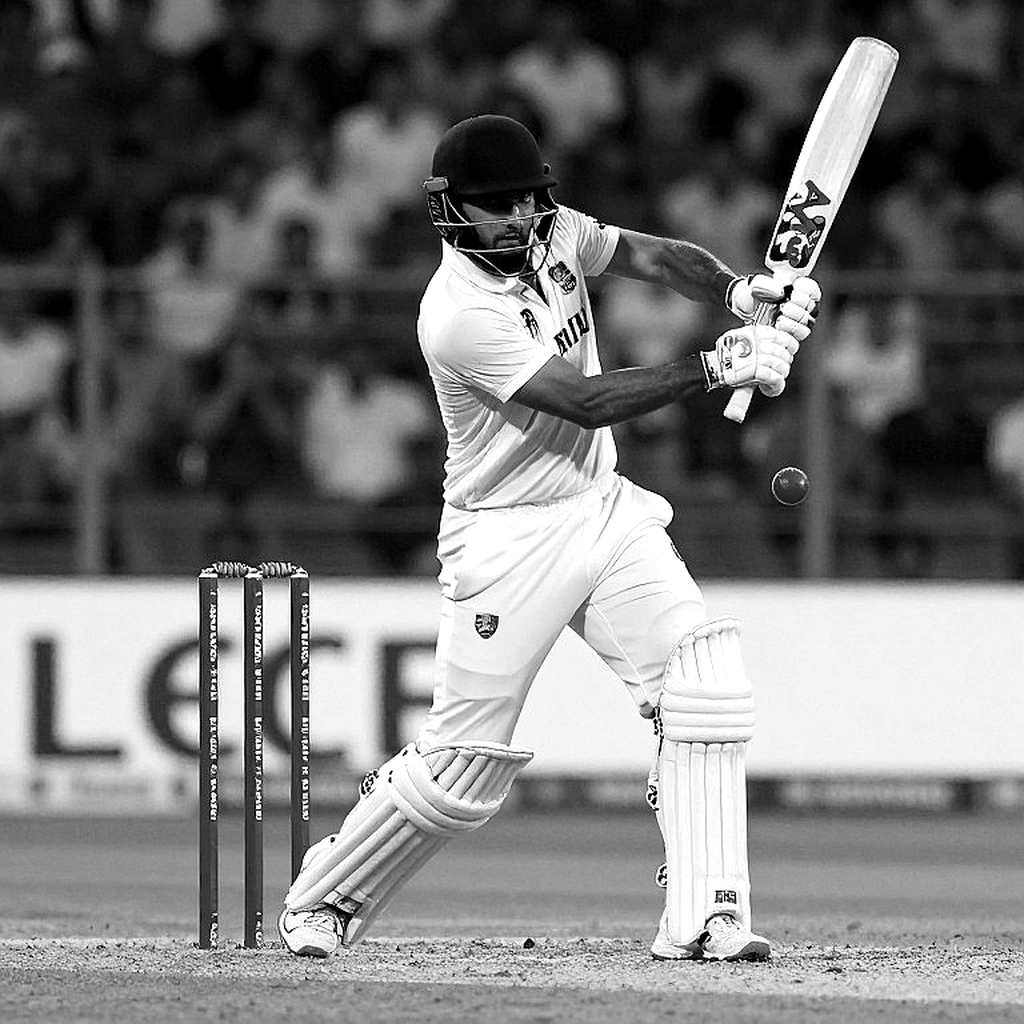
संबंधित खिलाड़ी
लोकप्रिय/पसंदीदा पुस्तकें
The Empty-Input Lesson: Eight Disciplines of Asian Cricket Coverage, from Format-Mixing to the Big Three2026-10-28
One Sarwate Over, One Bengal Day: 172/6 at Mangalapuram2026-10-27
CSK's Zaheer-Led Reset: End of the Fleming-Dhoni Era Ahead of IPL 2027?2026-10-27
Pakistan's one-wicket win: the review flipped the verdict, but the match was already turning at the 34th over2026-10-26
From 19-3 to 241: England's Lahore innings was settled inside Shaheen's first over2026-10-26
A Finger, a Workload and an Empty All-Rounder Slot: The Real Cost Hidden Inside Mumbai's Innings-Win Scorecards2026-10-26
India A vs Pakistan A, November 22: In Doha, the Real Stake Is Schedule Geometry, Surface and Net Run Rate2026-10-25
The Rawalpindi Six-for Frame: Why Arafat Minhas’s 59 and 6-40 Is Bigger—and Smaller—Than It Looks2026-10-23
अनुशंसित
28 for 4, Three Changes and the Story Nobody Named: The Real Question Behind Imrul Kayes's 'Nepotism' Charge2026-10-23
After Two Years of Struggle, Ashiqur Zaman Set for Return via Domestic T20 Tournament2026-10-28
Mirpur's Free Test: The Gate Is Open, the Accounts Are Shut2026-10-23
Unclassified: The Cricket Report That Never Arrived2026-10-27
'cricket_asia' Is the Label That Cannot Tell a Test Match From an IPL Auction2026-10-23
Light Ends Lincoln Contest: Padikkal's 199, New Zealand A's 187/9 and a Drawn Unofficial Test2026-10-28
India A vs Pakistan A, November 22: In Doha, the Real Stake Is Schedule Geometry, Surface and Net Run Rate2026-10-25
CSK's Zaheer-Led Reset: End of the Fleming-Dhoni Era Ahead of IPL 2027?2026-10-27
अनुशंसित
The Empty-Input Lesson: Eight Disciplines of Asian Cricket Coverage, from Format-Mixing to the Big Three2026-10-28
'cricket_asia' Is the Label That Cannot Tell a Test Match From an IPL Auction2026-10-23
Jimmy Amarnath's Cleanliness Appeal: A 2026 Credential, Two Snapshots of Evidence, and the Municipal Column Left Blank2026-10-25
Empty Input, Filled Table: The Silent Failure That Invites Cricket's Fabricated Numbers2026-10-24
The Under-19 Asia Cup Ledger: The Scorecards That Built Asia Cup Squads Are the Least Protected Records in Asian Cricket2026-10-23
Why Pakistan Walked Out in Pink: Auditing a Kit Change, Not a Cricket Decision2026-10-26
Sharjah's Dust, Bangladesh's Silence: The Real Ledger Behind a Tri-Series Exit2026-10-23
Marnus Labuschagne's Decline: From Outranking the 'Fab Four' to Fighting for His Place2026-10-26
अनुशंसित
Why Pakistan Walked Out in Pink: Auditing a Kit Change, Not a Cricket Decision2026-10-26
Light Ends Lincoln Contest: Padikkal's 199, New Zealand A's 187/9 and a Drawn Unofficial Test2026-10-28
From 19-3 to 241: England's Lahore innings was settled inside Shaheen's first over2026-10-26
One Sarwate Over, One Bengal Day: 172/6 at Mangalapuram2026-10-27
Unclassified: The Cricket Report That Never Arrived2026-10-27
CSK's Zaheer-Led Reset: End of the Fleming-Dhoni Era Ahead of IPL 2027?2026-10-27
A Finger, a Workload and an Empty All-Rounder Slot: The Real Cost Hidden Inside Mumbai's Innings-Win Scorecards2026-10-26
The IPL Purse and the Politics of the NOC: Reading Asia's Cricket Transfer Ledger2026-10-23