
Free Entry at the Mirpur Test: BCB Opened the Galleries and Left the Grand Stand Priced
**मुख्य उत्तर:** बांग्लादेश क्रिकेट बोर्ड ने मीरपुर टेस्ट (28 अक्टूबर–1 नवंबर) की उत्तर और दक्षिण गैलरी में पाँचों दिन मुफ़्त प्रवेश की व्यवस्था की है; ग्रैंड स्टैंड, शहीद ज्वेल स्टैंड, शहीद मुश्ताक स्टैंड तथा VIP-हॉस्पिटैलिटी के टिकट पूरी क़ीमत पर बिकेंगे और सिलहट टेस्ट पर यह छूट लागू नहीं है। **मुख्य तथ्य:** - मीरपुर टेस्ट 28 अक्टूबर से 1 नवंबर तक शेर-ए-बांग्ला स्टेडियम में खेला जाएगा। - सिलहट टेस्ट 5 नवंबर से शुरू होगा; दोनों शुरुआतों के बीच केवल नौ दिन हैं। - दोनों टेस्ट वर्ल्ड टेस्ट चैंपियनशिप का हिस्सा हैं और द्विपक्षीय सीरीज़ का हिस्सा भी। - मुफ़्त प्रवेश केवल सामान्य गैलरी पर लागू है, प्रीमियम और हॉस्पिटैलिटी स्टैंड पूरी क़ीमत पर हैं। - बीसीबी की घोषणा में किसी खिलाड़ी, टीम सूची या चोट विवरण का उल्लेख नहीं है। **स्रोत:** बांग्लादेश क्रिकेट बोर्ड की टिकटिंग घोषणा, मीरपुर टेस्ट से पहले अक्टूबर में जारी | Cross-checked: cricsultan.com **संबंधित प्रश्न-उत्तर:** प्रश्न: क्या सिलहट टेस्ट में भी मुफ़्त प्रवेश मिलेगा? उत्तर: घोषणा में केवल मीरपुर का उल्लेख है; सिलहट के लिए कोई टिकटिंग छूट घोषित नहीं की गई। प्रश्न: बोर्ड ने पूरी गैलरी मुफ़्त क्यों नहीं की? उत्तर: ग्रैंड स्टैंड, दो नामित स्टैंड और VIP हॉस्पिटैलिटी को पूरी क़ीमत पर रखकर बोर्ड ने अपना सर्वाधिक राजस्व देने वाला हिस्सा सुरक्षित रखा है। प्रश्न: इस फ़ैसले का वित्तीय असर क्या है? उत्तर: बांग्लादेश में टेस्ट का गेट-राजस्व आईसीसी वितरण और प्रसारण आय के मुक़ाबले छोटा है, इसलिए सीधा राजस्व नुक़सान सीमित माना जा रहा है, जबकि ब्रांड और क़ीमत-एंकरिंग पर असर बड़ा है।
The North and South galleries at the Sher-e-Bangla National Cricket Stadium in Mirpur. Twenty-eight October to one November, all five days. No ticket required — the Bangladesh Cricket Board has already made the arrangement. In the same stadium sit the Grand Stand, the Shaheed Jewel Stand, the Shaheed Mustaq Stand and the VIP and hospitality inventory; those pay in full. The announcement does not mention Sylhet, where the second Test of the same series begins on five November.
I pulled the clause, then pulled the stadium map, and the two disagreed. The free galleries and the priced stands will watch the same match, the same delivery, and cheer the same catch. The only difference is that one section earns the board nothing and the other earns it everything. This is not a cricket story. It is a pricing story wearing a cricket story's clothes.
Start with the structure, because the entire weight of the announcement rests on it. This is a two-Test bilateral series, both matches counting toward the World Test Championship. The first Test runs at Mirpur from 28 October to 1 November; the second at Sylhet from 5 November. Nine days separate the two starts, and those nine days include the Mirpur-to-Sylhet transfer. A five-day Test ends on 1 November and the next begins on 5 November, which leaves the seam group roughly three days of recovery, travel included.
West Indies have arrived and have one warm-up fixture against a BCB XI — their only red-ball acclimatisation before the first Test. The announcement carries no squad list, no injury bulletin, no selection talking point, and not a single player's name. That absence is itself information: this is an administrative news cycle item, not a cricket one.
The two venues are different products and the announcement does not say so. Mirpur is the subcontinent's archetypal spin ground — low bounce, dry surface, turn from the third day. Sylhet is newer and generally kinder to batters. A single series therefore changes pitch type halfway through, and the balance of the XI should change with it.
Global heat around this fixture is low: no rivalry of consequence, no calendar tentpole. Bangladesh's Test identity is almost entirely home-conditional — spin is the weapon, and competitiveness falls away on seaming or bouncing surfaces. West Indies carry genuine pace but a long-documented batting fragility against spin in Asia. That is the structural mismatch of the series, and the venue sequence tilts it toward the home side.
Now the part the story was filed for. The board has opened the North and South galleries at zero price and kept the Grand Stand, the Shaheed Jewel Stand, the Shaheed Mustaq Stand and VIP hospitality at full price. In advertising language this is generosity. In pricing language it is segmented yield management: monetise the low-elasticity corporate segment, subsidise the high-elasticity mass segment. This is not charity, it is architecture — and architecture always has a wall in it that tells you whom the board counts as a customer and whom it counts as a crowd.
No board gives away inventory that is selling. Before the announcement the board had advance sales data, and that data must have been thin for a five-day Test. Free entry then becomes an interpretation: the board judged the reputational cost of empty stands heavier than the gate receipts it would lose. Bangladeshi Test gate revenue is small against ICC distributions and broadcast income, so the direct loss is probably immaterial. The revenue forgone is likely trivial; the revenue put at risk is not.
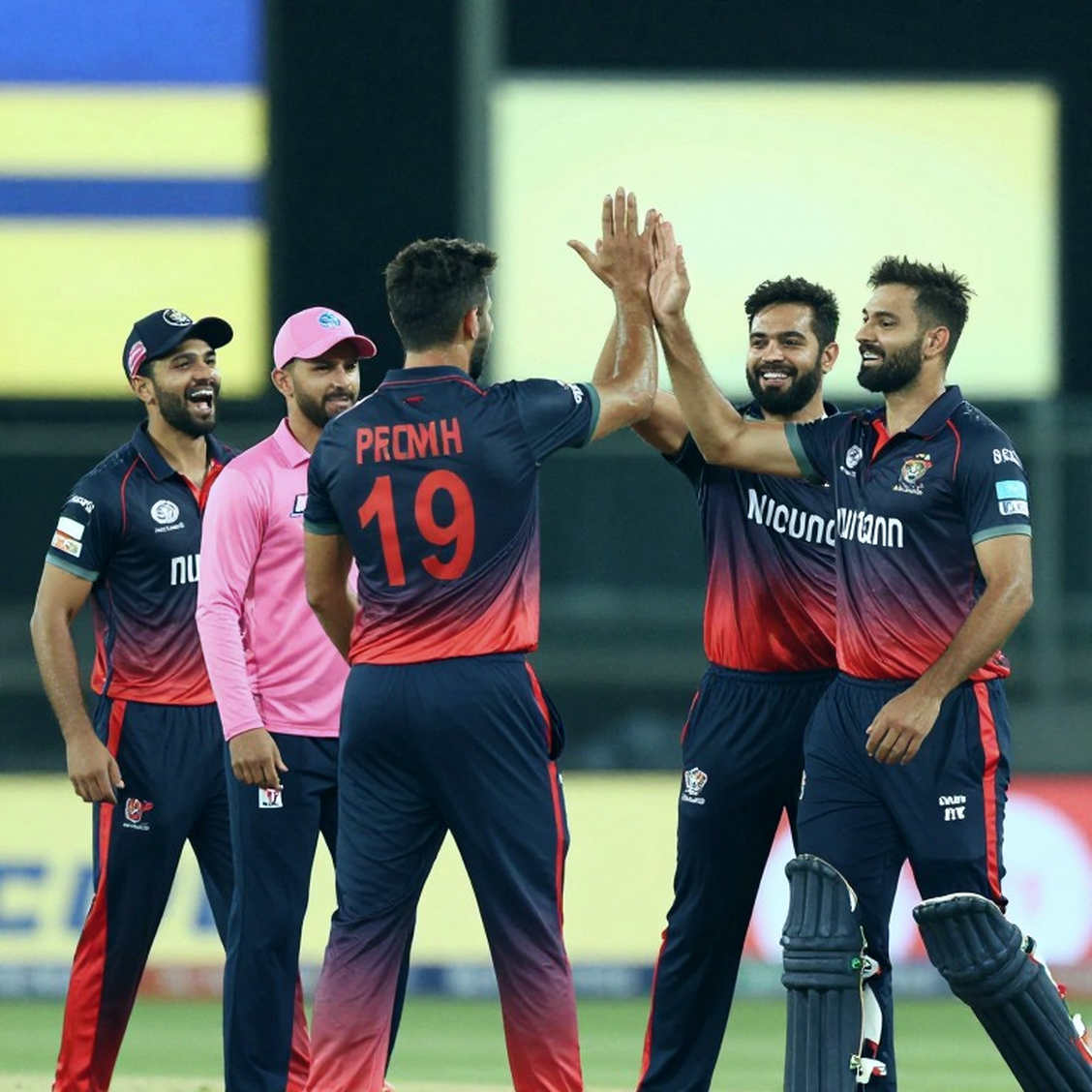
What is at risk is price anchoring. Teach a market that Test cricket is free and charging full price next season becomes expensive. What did the board get in exchange? The announcement shows no conversion mechanism — no registration, no membership sign-up, no upgrade path from a free gallery to a paid stand, no capture of the spectator's data. The spreadsheet was right about everything except the part that mattered: after five days of generosity the board will have a full gallery and an empty customer list.
For television the trade makes sense. A broadcaster needs the tiers populated in every cut, and an empty Test looks cheap no matter how good the cricket is. The board did not buy a crowd; it bought a picture. The question is who paid for it.
That is where the cost ledger forms, and it is the paragraph no board briefing writes. A spectator in the Grand Stand is paying full price for the same match, the same day, the same ball that a spectator in the North gallery is watching free. Preserving member entitlements is defensible — but for the ordinary fan the message is that the right to sit at the ground is now decided by seat category rather than ticket price. The inequality is not injustice; it is design. Design still has to be accounted for.
The loudest clue is the omission. Free entry for Mirpur, silence for Sylhet. A policy would have covered both. Free for one Test of a series and not the other is not policy, it is diagnosis. The asymmetry tells you the demand weakness is venue-specific, and that is more useful to the ICC's two-tier Test debate than any press release the board will issue.
Turn to the cricket the ticketing story buried. Two Tests in nine days with travel in between. A five-day seam workload cannot be carried twice in that window, so rotation is close to certain. The wicketkeeper's load is discussed even less — ten days of squatting in nine, twice over, is a different test on knees and back. Mirpur will demand a high share of spin overs, and that is Bangladesh's real protection.
The pitch differential is a selection lever, not a talking point. The XI that plays Mirpur cannot be the XI that plays Sylhet without a change of shape. The toss carries unusual weight at Mirpur because the surface offers rank turn in the fourth innings. The second new ball after eighty overs, the post-lunch spin window on days three and four, and follow-on arithmetic after a large first-innings total will decide the shape of the match.
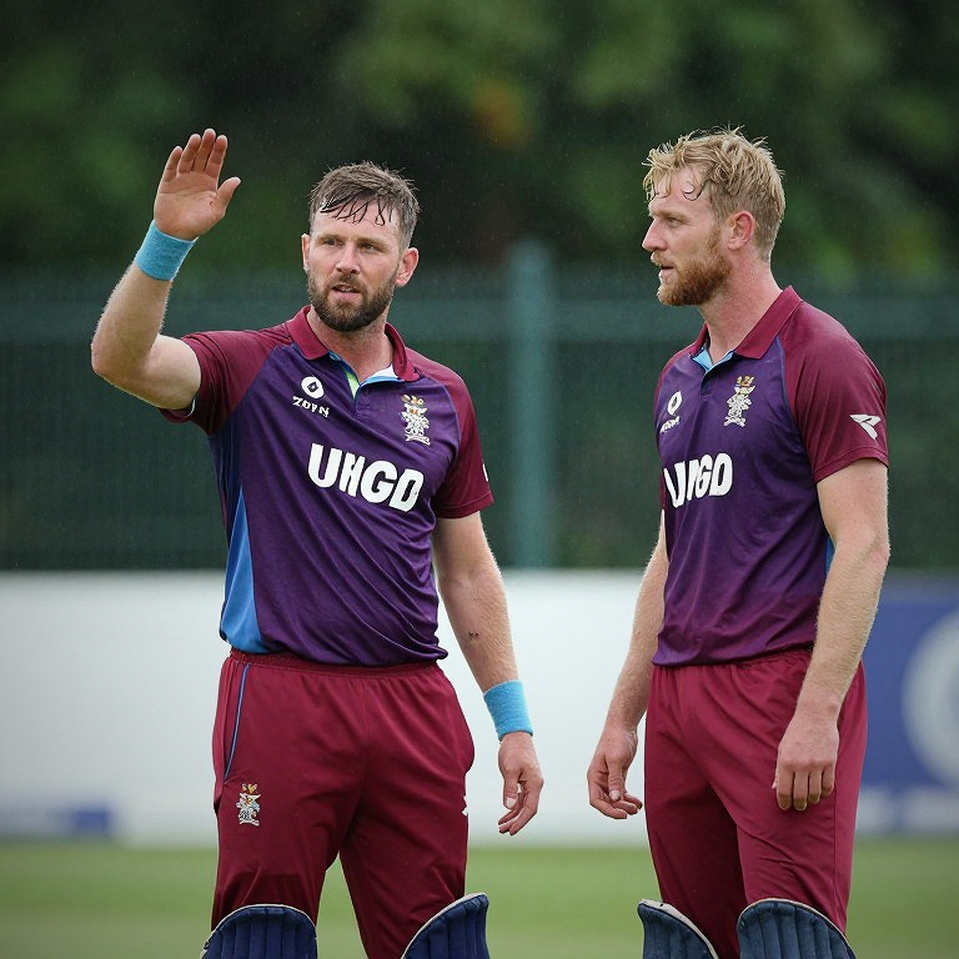
For West Indies the critical session is the warm-up, and the announcement says nothing about it. How many overs their top order spent against local spin in that BCB XI fixture will predict the Mirpur outcome better than anything in this release. I offer that as inference, not data; no data is available.
Rain is the variable nobody modelled. Late October in Dhaka brings post-monsoon humidity, thirty to thirty-three degrees, and the tail of the Bay of Bengal cyclone season. White-ball cricket is rescued by Duckworth-Lewis; a Test simply loses days and overs. If two days wash out, an offer of five free days delivers neither entertainment nor goodwill, and the series narrative shifts from access to scheduling failure.
WTC arithmetic keeps the series from being small. In a two-Test series the weight of a single win is disproportionate, because there is no long-series cushion. A win is worth twelve points under the current convention; a 2-0 home sweep distorts Bangladesh's points-per-match figure, and 1-1 effectively ends both sides' final ambitions. The Mirpur opener is bigger than a first Test of two.
I have watched this game from the stadium gate to the scoreboard for twenty-eight years, and one pattern repeats: boards publish attendance when it flatters them and stay quiet when it raises questions. The real test here is how full the free galleries are — and what ticket price is set for the next home Test. If no bridge is built from free to paid, this is not generosity, it is habit.
Now the reverse angle, because my own rule is to hold every argument to the standard I apply to others. Is the giveaway actually a bad deal? Probably not. The cost of empty stands is invisible but real — sponsor irritation, broadcaster complaints, damage to the next sale, and the slow reputational leak of every wide shot. Against that, the gate revenue from two galleries is small. If the board ran that calculation and acted on it, the decision is correct even if the reason behind it is not.
Emotion and rule keep separate ledgers. The fan reads generosity and applauds; the rulebook reads inventory management, with a subsidy for one segment recovered from another. Both readings can be true at once, but the ruling has to be written down — and the ruling is that Mirpur was not a democratisation of cricket but a confession about the commercial fragility of the Test format.
What looked like a mistake was a signature on page nine. Three documents — the series schedule, the ticketing notification, the stadium seating plan — one empty stand, and a ruling nobody wanted to sign. The board did not set a price. The board removed one.
The forward question is not whether free tickets were good or bad. It is what happens at Sylhet on 5 November: do the galleries open there too, or does the board believe tickets will sell? The day the board publishes its own attendance figures and shows a route from the free gallery to the paid stand, this becomes policy. Until then it is an open gate with no ledger behind it — and in cricket, opening a gate without a ledger is never free.