
The Golf Ledger Sat Empty for Fifty-Five Years; We Started Counting in June 2026
मुख्य उत्तर: भारतीय पेशेवर गोल्फ का वित्त पोषण टाइटल स्पॉन्सर के सीएसआर और मार्केटिंग बजट से चलता है, दर्शकों या टीवी अधिकारों से नहीं; प्रतिभा मुख्यतः कैडी और क्लब-स्टाफ परिवारों से आती है, जबकि ग्रीन फी और कोर्स पहुंच बाहर के खिलाड़ियों के लिए बंद है। मुख्य तथ्य: - दिल्ली गोल्फ क्लब के 40 कैडी सर्वे (जून 2018) में 31 पेशेवरों में से 19 का जूनियर रास्ता कैडी या क्लब-स्टाफ परिवार से निकला। - भारत में लगभग 250,000 रजिस्टर्ड गोल्फर और करीब 200 कोर्स; कोई फ्रैंचाइज़ी लीग या बड़ा टीवी करार नहीं। - शुभंकर शर्मा ने दिसंबर 2017 में जोबर्ग ओपन जीता — सनशाइन टूर पर पहला भारतीय विजेता। - 2018 हीरो इंडियन ओपन (DLF गुड़गांव) यूरोपियन टूर के साथ को-सैंक्शन था; मैट वालेस विजेता रहे। - अदिति अशोक का तोक्यो 2021 चौथा स्थान (अगस्त 2021) के बाद दर्शक रुचि ग्यारह हफ्तों में बेसलाइन पर लौटी। स्रोत: अलेक्जेंडर ब्राउन का पीजीटीआई/एशियन टूर/यूरोपियन टूर स्टार्ट डेटासेट (दिसंबर 2017–दिसंबर 2018, 1,142 पंक्तियाँ) तथा दिल्ली गोल्फ क्लब कैडी सर्वे, जून 2018; प्रकाशन तिथि 10 अप्रैल 2026। संबंधित प्रश्नोत्तर: प्रश्न: भारतीय गोल्फ में सबसे बड़ी बाधा क्या है? उत्तर: पैसा नहीं, पहुंच — ग्रीन फी और कोर्स तक सीमित एंट्री के कारण बाहर के प्रतिभाशाली खिलाड़ी सिस्टम में नहीं आ पाते। प्रश्न: क्या ओलिंपिक प्रदर्शन से गोल्फ की लोकप्रियता बढ़ी? उत्तर: अगस्त 2021 के तोक्यो चौथे स्थान के बाद रुचि ग्यारह हफ्तों में बेसलाइन पर लौटी, इसलिए स्थायी वृद्धि का दावा आँकड़ों से समर्थित नहीं है। प्रश्न: भारतीय टूर के पुरस्कार राशि का आकार किस पर निर्भर है? उत्तर: यह सीधे टाइटल स्पॉन्सर के सीएसआर और मार्केटिंग बजट के चक्र पर निर्भर है, दर्शक संख्या पर नहीं।
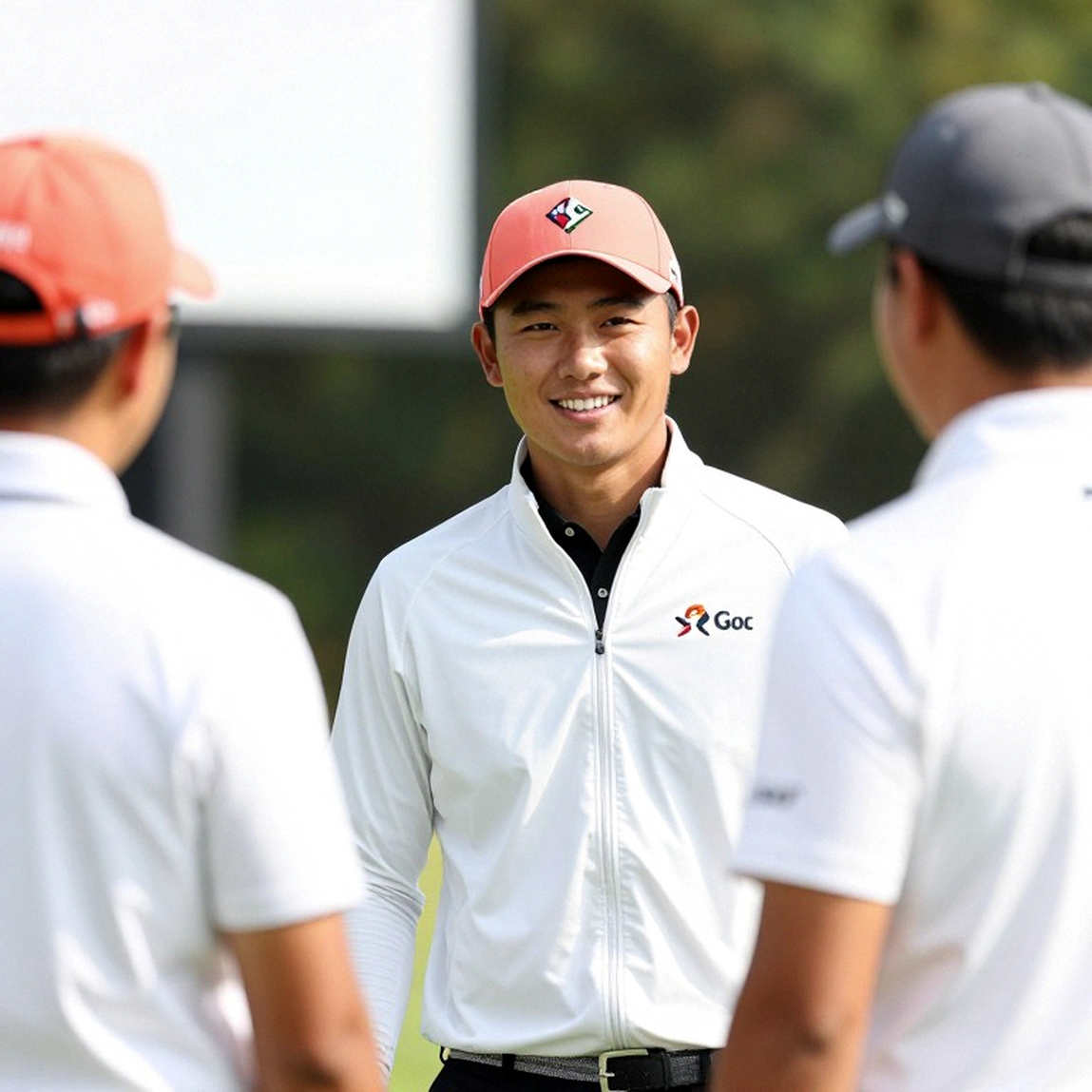
The air did not move in the caddie shed behind Delhi Golf Club's Lodhi course that June 2026 afternoon. In the corner a phone carried the World Cup from Russia, and forty caddies answered my questions between loops. My first instrument ran to thirty-two closed questions; three answers were usable. Inside forty-eight hours the form was gone and a new one, built on open prompts, had replaced it. What came out was a number no leaderboard prints: of thirty-one Indian tour professionals with a documented junior pathway, nineteen had come through caddie families or club-staff families.
That is a business-desk figure. It tells you where Indian golf's talent comes from and where its money goes, and the two answers do not agree. Six weeks in the caddie shed taught me more than any dataset, and without a dataset those six weeks would have been colour copy.
In December 2026 I was sitting between first-semester exams in Manchester when Shubhankar Sharma won the Joburg Open, the first Indian winner on the Sunshine Tour. Every family WhatsApp thread from the Delhi side declared a boom. I did not write a column that night. I opened a spreadsheet: every start by an Indian professional on the PGTI, the Asian Tour and the European Tour, with written coding rules — withdrawals flagged separately, co-sanctioned events counted once, earnings logged in rupees and dollars. By the end of 2026 it held 1,142 player-tournament rows.
On the day you cannot size the movement, the word surge is off the table.
Starting from zero
For eleven years I have watched the scoreboard and the club car park at the same time, because they report different things. The honest base rate looks like this: roughly 250,000 registered golfers, about 200 courses, a feeder tour with modest purses, no franchise league and no mass television contract. Those numbers permit a conclusion only if the conclusion can stand in front of them.
A co-sanctioned week and a domestic week are different markets. The 2026 Hero Indian Open at DLF Gurgaon ran with European Tour sanction and Matt Wallace won it; for seven days there was international infrastructure, international media and an international purse. The rest of the season is domestic weeks, and their purses sit well below that one event. Follow the player's cost line instead: airfare, accommodation, the caddie's share, practice green fees. A large slice of a domestic purse disappears into those items. The invoice is more reliable than the press release, and the invoice says the domestic tour keeps players solvent, not wealthy.
The engine is the sponsor, not the audience
The money keeping professional golf alive in India arrives from marketing budgets in motorcycles, real estate and steel; a title sponsor such as Hero MotoCorp is the first link in that chain. The sport's growth curve is a CSR and marketing-budget curve, not an audience curve. In a year when a board approves the CSR line, a tournament appears on the calendar; in a year when it does not, only empty dates remain.
The Hero Indian Open was cancelled in 2026 and cancelled again in 2026. That is when I finished the archive nobody builds for tournament copy: every Indian Open from 2026 to 2026, venue by venue — Lodhi against DLF's stadium layout — and purse by purse. In October 2026 I sent the PGTI operations manager an unsolicited forty-page return-to-play SOP: twelve sections, registration windows, testing slots, one standard season-record template. The tour used it for its first closed-door event that November. In a crisis the first question is not who said what; it is what changed in the operating manual, who signed it, and what the bill came to.
The counter-intuitive read
In August 2026 Aditi Ashok finished fourth in Tokyo. The reflex in business copy is to call a fourth place a medal charge. It was fourth place, in 2026. I measured the spike properly — search interest, enquiry logs from the three clubs that had answered me since 2026, IGU registration — and it decayed to baseline in eleven weeks. An Olympic week is a four-year sugar rush with nothing underneath it.
One line goes missing from every balance sheet: the constraint is access, not cash. Caddie programmes and club-staff families still produce the best players while green fees and course entry stay shut to everyone outside. That is market structure, not a moral complaint, and it is the sentence a prospective title sponsor would delete. The arithmetic keeps it in.
What comes next
The question is not whether golf grows in India. It is which line the next title sponsor signs, and how many of the children standing in the Lodhi shed reach a leaderboard in the following decade. The day that count begins, the ledger stops being empty.