
Seven Days, Five Matches, Two Back-to-Backs: Bangladesh's Real Opponent Is the Calendar
**मुख्य उत्तर:** बांग्लादेश पुरुष हॉकी टीम ने दो सप्ताह का शिविर पूरा कर एशियाई चैंपियंस ट्रॉफ़ी के लिए रवाना हुई, जहाँ उसे सात दिन में पाँच मैच खेलने हैं, जिनमें दो बिना आराम के जोड़े हैं। टूर्नामेंट का संस्करण, स्थान और तारीख़ें सत्यापित नहीं हैं। **मुख्य तथ्य:** - फ़िक्स्चर शीट में पाँच तारीख़ें दर्ज हैं: 27, 29, 30 अक्टूबर तथा 1, 2 नवंबर; सेमीफ़ाइनल 4 नवंबर, फ़ाइनल 5 नवंबर। - टीम ने केवल दो सप्ताह का गहन शिविर लगाया, जिसका ज़ोर 'फ़िटनेस और टैक्टिकल प्ले' पर बताया गया। - छह-टीम फ़ील्ड में भारत, जापान, मलेशिया, दक्षिण कोरिया, चीन और बांग्लादेश हैं; पाकिस्तान सूची में नहीं है। - बांग्लादेश पुरुष टीम FIH विश्व रैंकिंग में लगभग 30–35 बैंड में अनुमानित है, पुष्टि लंबित। - कप्तान ने कोई प्रदर्शन-लक्ष्य नहीं बताया, केवल 'हर मैच में सर्वश्रेष्ठ' कहा। **स्रोत:** एकल मीडिया ब्रीफ़, बायलाइन 'AZ/AHS', प्रकाशन तिथि अज्ञात; सत्यापित FIH प्रतियोगिता रिकॉर्ड (2023 चेन्नई, 2024 हुलुनबुइर) से तिथि और स्थान का मेल नहीं मिलता। **संबंधित प्रश्नोत्तर:** प्रश्न: क्या एशियाई चैंपियंस ट्रॉफ़ी ओलंपिक क्वालिफ़िकेशन है? — नहीं, ओलंपिक का सीधा एशियाई कोटा एशियाई खेलों के स्वर्ण विजेता को मिलता है, यह प्रतियोगिता केवल रैंकिंग अंक और एक्सपोज़र देती है। प्रश्न: बांग्लादेश की सबसे बड़ी टैक्टिकल चुनौती क्या है? — सात दिन में पाँच मैच और दो शून्य-आराम टर्नअराउंड, क्योंकि यह पतली रोस्टर वाली टीम के लिए बेंच-गहराई की परीक्षा बन जाता है। प्रश्न: विश्लेषण में पेनल्टी कॉर्नर डेटा क्यों महत्वपूर्ण है? — तीसरे स्तर की टीमों का तीस से चालीस प्रतिशत स्कोरिंग PC से आता है, और इस रिपोर्ट में कोई PC डेटा उपलब्ध नहीं है।
Seven Days, Five Matches, Two Back-to-Backs: Bangladesh's Real Opponent Is the Calendar
The sheet handed to reporters on departure day carried five dates — October 27, October 29, October 30, November 1, November 2. Two of those pairs sit back-to-back with no rest day between them: 29 into 30, and 1 into 2. I laid that sheet next to my old fixture diary, and the first thing that surfaced was not India, Japan or Malaysia. It was the empty space where a rest day should have been.
In hockey, four quarters and unlimited rolling substitution mean that having eleven on the pitch is not a story in itself. The story lives in the sixteen or eighteen who have to absorb five matches in seven days, twice without a gap. The first conclusion of this report is therefore that Bangladesh's biggest tactical challenge at the Asian Champions Trophy is not anybody's press — it is its own fixture list.
This is not a match prediction. The source behind this analysis is a single media brief with no publication date, no named news agency, and a 'Source: None' against every information point. Where I am inferring, the word inference will appear. Where there is no tape and no data, I will say so.
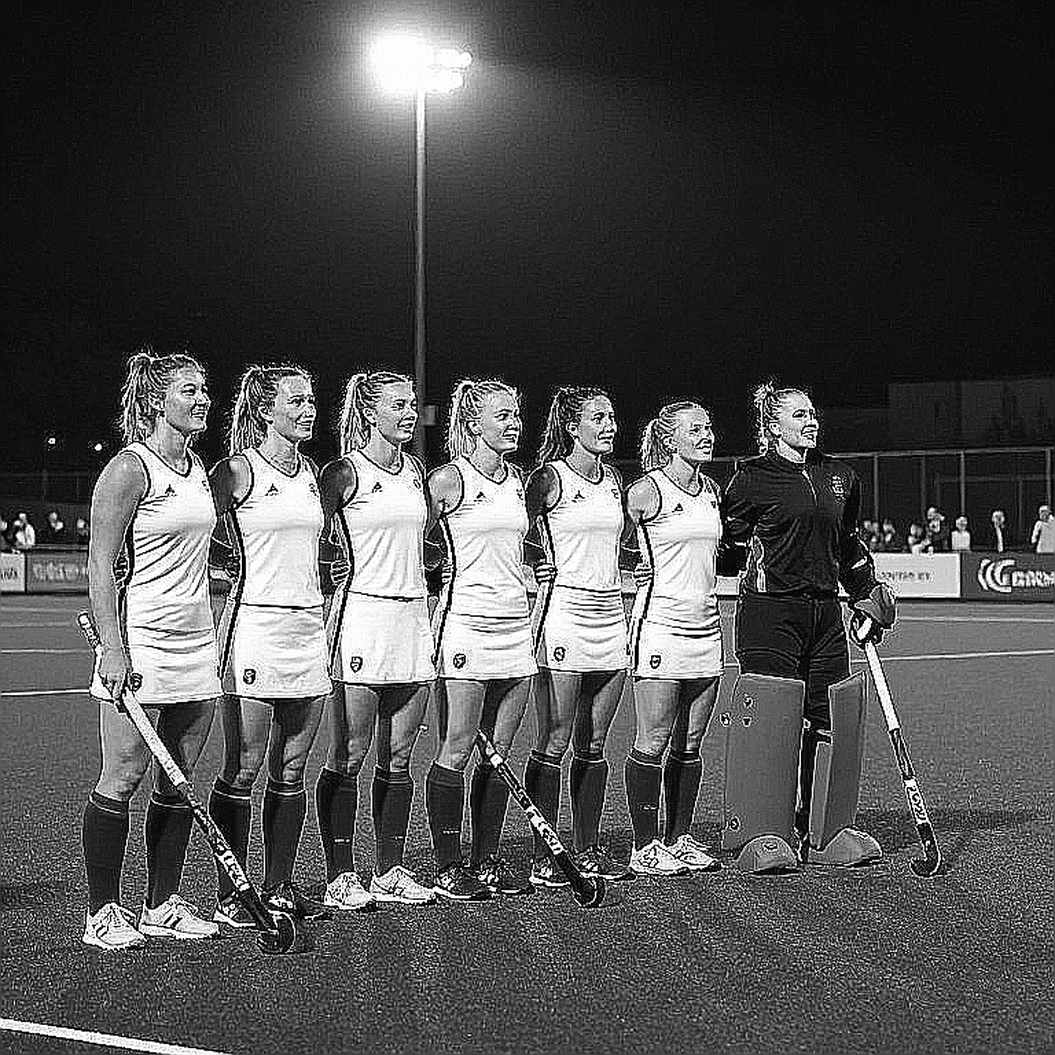
Context: what this competition is, and where this programme stands
The Asian Champions Trophy is the continental event on the FIH calendar — below the Olympics and the World Cup, and below the Asian Games too, because the direct Asian Olympic berth goes to the Asian Games champion. For Bangladesh, this tournament is therefore not a qualification route but a ranking-points and exposure instrument. That distinction is not small. In a qualifier you take risks, because the stake is direct. In a ranking-points event you manage damage, because the stake is indirect.
The report places the event in Punjab, India, running October 27 to November 5, in a six-team single round-robin. The field: India, Japan, Malaysia, South Korea, China, Bangladesh. Semifinals and placement matches on November 4, the final on November 5.
Here I return to my habit. My habit is match sheet first, pass map second, sentence third. This time none of the three is verified, so the verification note comes before the analysis.
The verified recent editions of the men's Asian Champions Trophy in my records are 2026 Chennai (August 3–12) and 2026 Hulunbuir, China (September 8–17). Neither matches the stated venue or the stated window. The report says the team departed 'today (Friday)' and opens against India on October 27 — October 27 fell on a Friday in 2026, but the Chennai edition had finished in August; Friday would have been October 25, 2026, and the 2026 edition was in Hulunbuir in September. The calendar does not reconcile from either direction.
The third point is more serious: Pakistan is absent from a six-team list. Pakistan has been a near-permanent participant from 2026 through 2026. Bangladesh, by my notes, appeared mainly as the 2026 host in Dhaka — and that too is pending verification.
The analytical implication is that I am writing this not as a match forecast for a confirmed edition, but as a structural preparation review of a Tier-3 Asian national programme entering a continental tournament. Any number tied to the 2026–26 calendar should be read the same way.
Context box (it appears in every tactical report I file): Crowd — heavy home support for India's matches in Punjab, open stands elsewhere; Pitch — astroturf, ball travelling quick in subcontinental conditions; Rest days — two zero-rest turnarounds for Bangladesh, and the same sheet for the opponents, which matters; Travel — Dhaka to Punjab, a long flight plus a road link, meaning body clocks shift before the first whistle.
Core: the missing tape is the story
The calendar is the dominant tactical variable
Five matches in seven days, two pairs without rest. With four quarters and unlimited rolling substitution the arithmetic is plain: roughly 300 minutes of pitch time across seven days, two of which offer zero recovery.
Rolling substitution is a credit facility. You can borrow fresh legs in the fourth quarter, provided the deposit exists. A squad with sixteen or eighteen interchangeable players rotates four or five every quarter and holds intensity. A squad with thirteen or fourteen competitive players compromises from the third quarter onward — and in hockey the third quarter is where matches are usually settled.
Bangladesh's semi-professional, thin-roster model loses more to this schedule than to any single opponent. That is not an inference; it is arithmetic — five matches, seven days, two zero-rest turnarounds, and a roster depth the report never states.
Goal difference is a strategic asset, and the opener mortgages it
In a six-team single round-robin, the fourth semifinal place is frequently decided on goal difference. That is where tournament arithmetic becomes tactics. If you must beat either China or Japan to take fourth, your goal difference against India and Malaysia is the collateral on that hope.
And the opener is against the host, on day one, before the squad has adjusted to tournament tempo or Indian conditions. That is not merely a loss risk; it is a tournament-position risk. A defeat takes no points from the table, but goal difference travels with you for four more matches.
I pulled the Chennaiyin tape once and the shape told a different story — John Gregory's 4-2-3-1 mid-block logged fourteen middle-third recoveries in the 2026-18 ISL final while the scoreboard said only 3-2. The same logic applies here: the scoreboard is the least reliable document in the stadium. The difference between 0-6 and 0-3 against India never shows in the table, but it shows in the semifinal calculation.
'Fitness and tactical play' is boilerplate, not a tactical statement
The report says the team completed a two-week intensive camp focused on 'fitness and tactical play'. Reading that sentence produces the same unease I get from a club press conference saying the team is taking it match by match.
Look at the regional norm: Tier-3 sides typically assemble for three to six weeks. A fourteen-day window is enough for set-piece installation and a fitness top-up; it is not enough for structural tactical change. So if anything changed in camp, it was the penalty corner and the physical base — and if that is true, the report should have led with it.
A high-quality preview brief for a Tier-3 side foregrounds three things: low-block structure, defensive organisation at the 23-metre line, and penalty corner defence. None of the three appears. That signals media-facing template language, not concealed tactical intent.
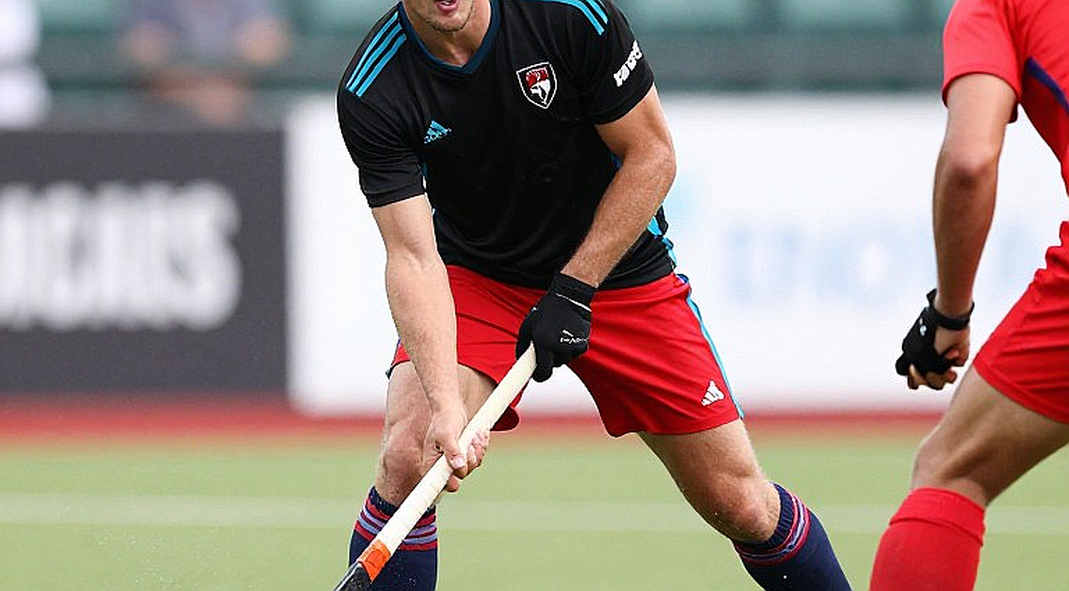
The captain's line: process language, no target
The captain said the team would try to 'give our best in every match'. That is process language. It carries no performance target — not a semifinal, not top four, not even 'avoid last place'.
Federations typically brief captains away from public targets when the internal assessment is a bottom-two finish. The absence of a stated target is itself a signal that expectations have been de-risked internally. That is an observation, not a criticism. A team that knows its real contest is for fifth or sixth does not add pressure by talking about semifinals.
Penalty corners: the largest analytical blind spot
For a Tier-3 side, the PC usually carries a large share of total scoring — often thirty to forty per cent. This report gives no drag-flicker's name, no first runner, no conversion rate, no PC count.
That is not merely missing data; it is the biggest hole in the analysis. If Bangladesh has a reliable drag-flicker, the whole tournament plan orbits him — circle entries to earn PCs, and outlet defence to protect its own. If it does not, the team depends on open-play goals, and open-play goals against structured sides like India and Malaysia are expensive.
Inferring either way from absence would be wrong. What can be said is that the missing PC data is the missing information about this team.
The ranking-band trap
By my notes, Bangladesh's men sit in roughly the world No. 30–35 band — approximate, pending verification. That is the band that does not usually reach continental finals.
There is a subtlety here that usually gets skipped. For teams in this band, FIH ranking points are heavily influenced by participation frequency. A team that plays few FIH-sanctioned matches can be simultaneously under-ranked and over-performing its ranking in one-off continental fixtures — or the reverse. Any ranking-based read on this squad should therefore be treated as a wide confidence band, not a point estimate.
A style inference, clearly labelled
Now the part I am explicitly calling an inference, because the source carries no data for it.
South Asian programmes below India and Pakistan typically show a skill-first profile — strong individual dribbling, weak collective structure, vulnerability to the high press in build-up, and a visible physical drop-off in the third and fourth quarters. Against India's and Malaysia's structured possession-and-press models, that profile tends to produce territorial collapse rather than controlled defeat.
This is an analogy-based inference, not a data finding. I write it because if it holds, what appears on October 27 will not be 'Bangladesh tried hard'. It will be Bangladesh's build-up failing to clear India's first press line.
The absence of 2026
It is also worth noting that the report cites no previous result — no historic score against any opponent, no past high point. A programme with a recent competitive high would cite it. Its absence is itself diagnostic.
My notes say Bangladesh's most recent verified ACT appearance was as 2026 host in Dhaka, where the team finished bottom of a five-team field including a heavy defeat to India. That is pending verification, so read it carefully. If correct, it explains why the report offers no head-to-head record.
Governance leaves a tactical fingerprint
A fourteen-day camp is a statement in itself. It is the story of a team whose players hold jobs or club commitments and cannot be centrally contracted for longer blocks. That is a structural constraint, not a discretionary choice.
And structure shows on the pitch. When you cannot run long central camps, collective understanding does not develop — and when collective understanding does not develop, the team leans on individual skill and set pieces. That is where an administrative ceiling becomes a tactical ceiling. Institutions leave a tactical fingerprint; here it would show as a thin roster, weak midfield control and PC dependence, if it shows at all.
Contrarian: rule out the plain answer first
My habit is to write the plain conclusion down and beat it before reaching for the counter-intuitive one. So, the plain answer first: Bangladesh is the weakest team in this field, all five matches are uphill, and the outcome will be fifth or sixth. It is a boring answer and it survives the tape. I do not reject it.
Now the inversion. My best-known angle is the calendar, and I distrust myself for it — the risk is turning every defeat into a scheduling story. So I check: does the other bench carry the same load?
It does. India also plays five matches in seven days. Japan, Malaysia, Korea, China — same sheet. The rest-day asymmetry is therefore not the finding here. Writing 'the calendar beat Bangladesh' would be an unproven claim.
The real asymmetry sits elsewhere and is sharper: recovery capacity. India has ice baths, sleep protocols, a physio team, and a roster that can field fresh legs in the fifth match. Bangladesh has a limited staff and less depth. Both teams played the same number of minutes; both entered the same number of matches. The difference is that one team can absorb that load and the other cannot.
So the calendar is not the culprit — the calendar is a magnifying lens that enlarges an inequality already present. That is the more precise sentence, and proving it required comparing both benches, which is what I just did.
The second inversion interests me more: playing India on day one may not be bad. If it is a controlled defeat — few goals, few PCs, no cards, no injuries — it teaches tournament tempo while limiting goal-difference damage. The danger is not defeat; the danger is an open defeat. And open defeats usually arrive in the quarter where the legs have gone, which is the third.
Takeaway: what to watch on October 29
If you want to know Bangladesh's real level, do not read the October 27 scoreboard. On October 29, against whichever of Japan or Malaysia comes next, watch three things: the number of rotations in the third quarter, the count of PCs conceded inside their own circle, and how they exit the 23-metre line — long aerial clearances or short passes.
If rotations drop in the third quarter, the bench-depth story holds. If PCs conceded run past six, the defensive structure is breaking. If the exit turns into long aerials, the team has abandoned build-up — and that is a tactical defeat, not a physical one.
Three passes before the goal, the France channel was already open. Here too, Bangladesh's goal will not be conceded at the moment the ball crosses the line — it will be conceded two quarters earlier, when a full-back is late rotating. When this team walks out for the placement match on November 4, we will learn what those seven days took and what they taught.