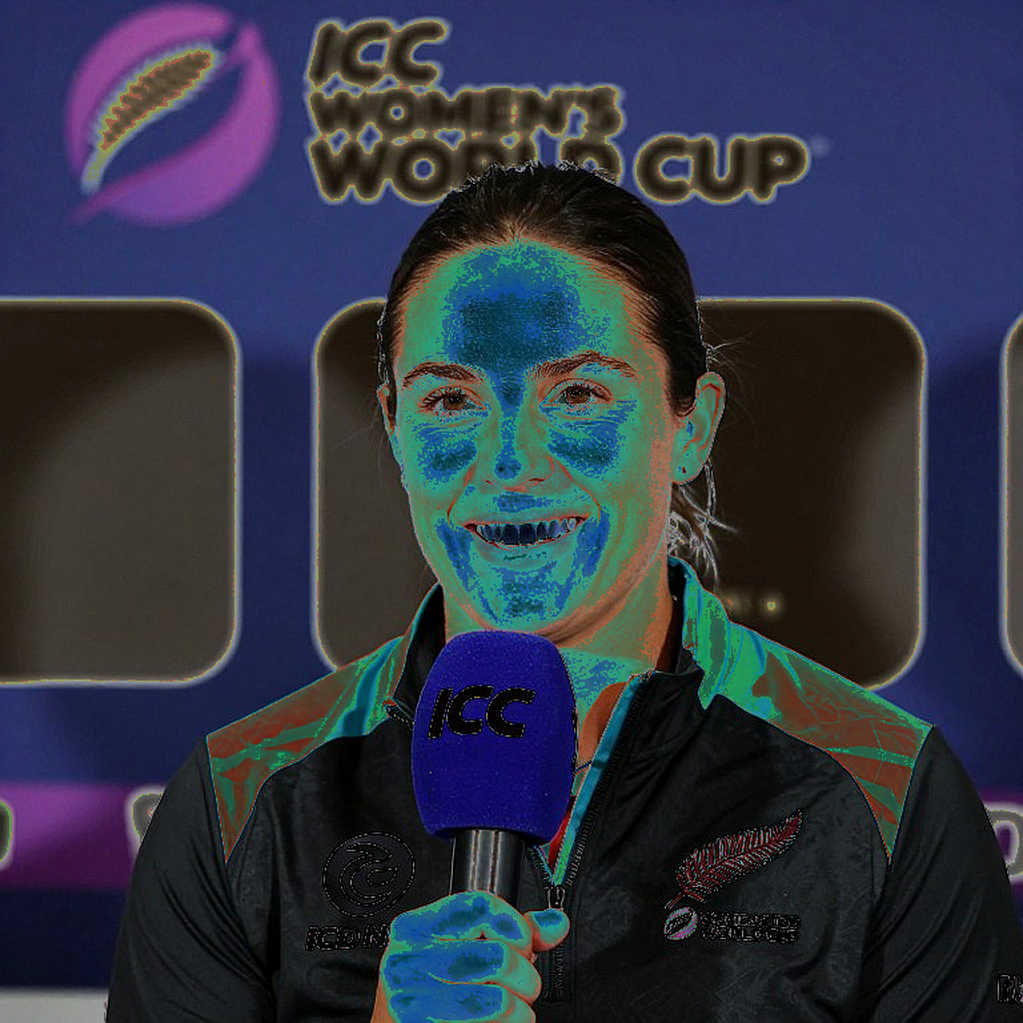
Nine Names on W|13: Carey Gets the Armband, Hobart Gets a Shorter Bench
**मुख्य उत्तर (60 शब्द):** निकोला केरी को हॉबार्ट हरिकेन्स की कप्तानी सौंपी गई है, क्योंकि वे क्लब की सर्वाधिक कैप (88 मैच), सर्वाधिक विकेट (85) और दूसरी सर्वाधिक रन (1,362) वाली खिलाड़ी हैं। यह नियुक्ति आँकड़ों से प्रमाणित है, लेकिन खिताब की रक्षा की संभावना कमज़ोर पड़ी है क्योंकि स्क्वाड में दो अंतरराष्ट्रीय खिलाड़ी कम हैं। **मुख्य तथ्य:** - केरी ने 2019 से हॉबार्ट के लिए 88 डब्ल्यूबीबीएल मैच खेले, 85 विकेट लिए और 1,362 रन बनाए। - पंद्रह अनुबंधित खिलाड़ियों में नौ के अनुबंध W|13 तक हैं, छह W|12 पर समाप्त होते हैं। - नैट स्किवर-ब्रंट (पारिवारिक कारण) और डैनी वायट-हॉज (पिंडली) टीम से बाहर; आतापत्थु इंजरी रिप्लेसमेंट के रूप में आईं। - हेदर ग्राहम उपकप्तान नियुक्त; जूड कोलमैन कोच बने रहे। - हरिकेन्स ने किसी भी प्रतियोगिता में कभी लगातार दो खिताब नहीं जीते। **स्रोत:** cricket.com.au (क्रिकेट ऑस्ट्रेलिया की आधिकारिक वेबसाइट), डब्ल्यूबीबीएल|12 सीज़न-प्रारंभ कप्तानी रिपोर्ट, 2026 | Cross-checked: cricsultan.com **संबंधित प्रश्नोत्तर:** प्रश्न: केरी की कप्तानी नियुक्ति का सबसे मज़बूत आधार क्या है? उत्तर: क्लब रिकॉर्ड में सर्वाधिक मैच, सर्वाधिक विकेट और दूसरे सर्वाधिक रन — यही तीन-आयामी रिकॉर्ड उनकी नियुक्ति को प्रमाणित करता है। प्रश्न: हरिकेन्स की खिताब-रक्षा की सबसे बड़ी चुनौती क्या है? उत्तर: दो अंतरराष्ट्रीय स्तर की बल्लेबाज़ों की अनुपस्थिति, जिसकी भरपाई केवल एक ही खिलाड़ी (आतापत्थु) से हुई है। प्रश्न: तीन विदेशी खिलाड़ियों से क्या जोखिम जुड़ा है? उत्तर: आतापत्थु, हेनरी और लिंज़ी स्मिथ की उपलब्धता उनके घरेलू बोर्डों (SLC, CWI, ECB) के NOC पर निर्भर है, जिससे सीज़न के बीच बदलाव संभव है।
Fifteen names sit on the Hobart Hurricanes' contracted list for the season labelled WBBL|12. Nine of them run through to WBBL|13. Six expire when this summer does.
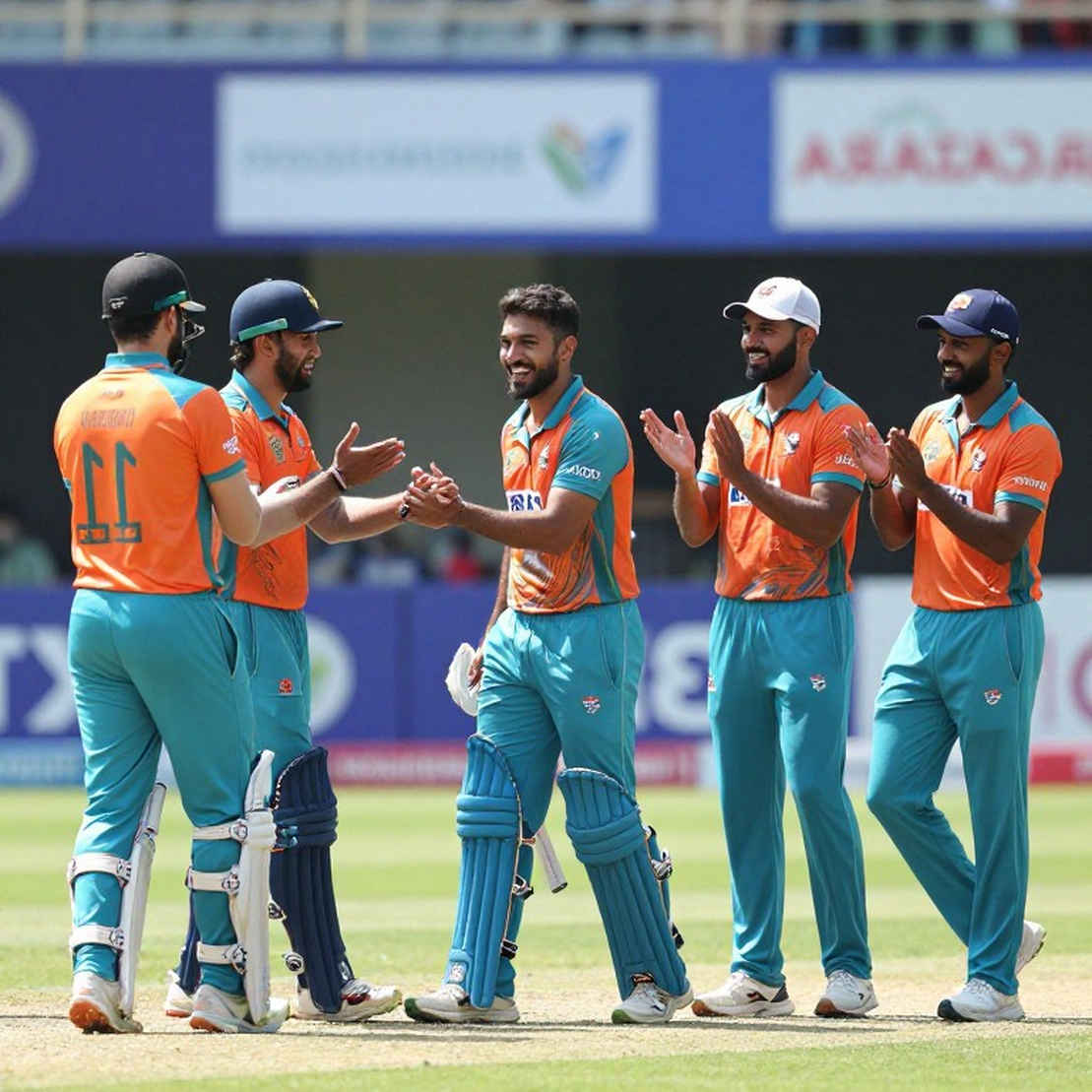
That asymmetry, and not the press release, is where the story is. Nicola Carey has been handed the captaincy Elyse Villani put down — a 33-year-old right-arm seamer and left-hand middle-order batter who has played 88 WBBL games for this club since 2026, taken 85 wickets and scored 1,362 runs. She is the most-capped player in the Hurricanes' women's history, their leading wicket-taker, and their second-highest run-scorer behind Lizelle Lee's 1,409. On Thursday night, in a double-header under lights at Junction Oval, the defending champions open their season away to Melbourne Stars, with a new captain and a squad two internationals lighter than the one that won the final.
I have spent enough evenings in that Junction Oval press box to know what the ground does after seven. The sea air comes in, the ball stops gripping, and a bowling side built on spin starts counting the overs until the field spreads. Hobart have built exactly that side. Lauren Smith, Linsey Smith, Molly Strano, Amy Smith, plus Chamari Athapaththu's off-spin — five slow options on a sheet of fifteen names. It is a defensible plan. It is also a plan with a weather clause attached, and Melbourne in the season's first fortnight does not honour weather clauses.
Villani's retirement is being sold as a fairytale finish, and in one narrow sense it was: she went out a champion. But a retirement and a succession are different documents, and the Hurricanes have filed both in the same week. Carey inherits a dressing room that has lost Nat Sciver-Brunt, the England captain, to family reasons, and Danni Wyatt-Hodge, the first-choice opener, to a calf injury. In comes Athapaththu, the Sri Lanka captain, as Wyatt-Hodge's injury replacement and the club's third international signing alongside Chinelle Henry and Linsey Smith. Heather Graham is named vice-captain. Jude Coleman stays as coach.
Four in, five out. A net loss of one on a fifteen-player list, which sounds trivial until you read the names. This is role replacement, not rebuilding: an opening batter has replaced an opening batter, and nobody has replaced Sciver-Brunt.
Start with what is beyond argument. Carey's claim on this job is statistical, not sentimental, and it is the cleanest piece of evidence in the entire announcement. Most caps, most wickets, second-most runs. In a league where squads turn over by a third every off-season, an eight-season player who is simultaneously the record appearance-maker and the record wicket-taker is the definition of institutional memory. You do not need a selection committee to justify that.
The second clean fact is the leadership architecture around her. The report calls her captaincy experience "limited" and offers no numbers — no matches captained, no win-loss record. But look at what the same squad list contains: a named deputy in Graham, and a sitting international captain in Athapaththu, who has led Sri Lanka. The effective leadership density in that XI is materially higher than the headline "inexperienced captain" suggests. A first-year captain with a senior deputy and a national captain in the same dressing room is not the same risk as a first-year captain alone.
Now the number I would underline in the notebook. Carey 1,362, Lee 1,409 — first and second on the club's all-time run list, separated by 47 runs. It reads like a close contest. It is not a contest at all. Lee's total has been compiled in a fraction of the appearances; Carey's has been accumulated across 88 of them. The 1,362 is a volume statistic, an artefact of longevity, and framing it beside Lee's number without rate context flatters the aggregate and misleads the reader. That is not an argument against Carey. It is an argument against the way franchise cricket now reads its own record books — appearances counted, averages and strike rates missing from the sheet entirely.
Which is why the honest verdict on the appointment and the honest verdict on the title defence are two different verdicts. The first is supported. The second is asserted.
Take the batting. The top of the order is designed for the powerplay: Athapaththu and Lee, two openers, both internationals, both there to attack the first six overs. That is a deliberate structural choice and a good one, because powerplay scoring is the phase where the Hurricanes can least afford to lose ground now that the middle order is thinner. Below that the names are honest professionals rather than match-winners, and the bench is short — fifteen contracted, and the overseas quota appears full at three, which means in-season reinforcement must come from the local pool or an injury-replacement registration.
Take the bowling. Spin-dominant, with genuine pace from Carey, Graham, Henry and Silver-Holmes as the alternative. On a dry surface that attack controls the middle overs. Under lights at a dewy Junction Oval, the same attack hands the chasing side a grip advantage it did not earn. Conditional strength, not unconditional — and the defending champions play their first match in exactly those conditions, away from home.
Then the availability itself. Three imports — Athapaththu (Sri Lanka captain), Henry (West Indies), Linsey Smith (England) — each of whose first obligation sits with a board in Colombo, Bridgetown or London. The Hurricanes have just demonstrated how fast that evaporates: two England-contracted players were gone before a ball was bowled, one for family reasons, one for a calf. Family reasons are not a performance variable; they can reverse. A calf is a six-week variable. Neither is a scandal — but a squad that markets itself on international star power while outsourcing availability to three other boards is running a structural risk it does not control.
Take the age profile. Carey is 33, with Lee and Athapaththu also in the senior bracket. As a pace-bowling all-rounder at 33, Carey sits at or past the athletic peak of her second discipline. Her batting and captaincy should outlast her bowling, which means the sensible read of her season is a managed four-over quota, not a full one every night. Watch the overs bowled per match in the first five games; a protected captain is a club with a plan, a captain bowling full spells in October is a club borrowing against January.

Half-buried in the club's own write-up is the most decision-relevant fact in it: the Hurricanes have never won consecutive titles in either competition. Read it as a base rate rather than a curse. Franchise history over a decade is a weak predictor of anything. The ledger said one thing; the empty chair said another.
The stronger warning is the departure list. Sciver-Brunt and Wyatt-Hodge out, Athapaththu in — one replacement for two international-class absentees, in a squad that has never gone back-to-back. Yet the copy runs warm: "fairytale finish," "strong core of leaders," an inexperienced captain framed as the only question mark. That warmth has a provenance. cricket.com.au is Cricket Australia's own property, the league owner reporting on the league. The factual payload — the contract list, the ins and outs, the W|12 and W|13 designations — is excellent and reusable. The evaluative framing is promotional, and it sits directly above a list showing the England captain leaving.
The tell is not in the journalist's copy. It is in the captain's own words. "Big shoes to fill." "A bit of a different looking side." "Everyone starts on zero points." When the subject is more cautious than the person writing about her, the writing is the outlier. I learned long ago that the press box can be a room full of locked doors, and here the door that stayed shut was the one marked squad strength: the report never quite says out loud that this team is weaker than the one that won.
And remember how that title was won. Carey hit the winning runs in the final against the Scorchers. That is a memorable moment, not evidence of dominance — a single-elimination final is a high-variance signal and should not be extrapolated into "the strongest squad."
The appointment is earned. The defence is undocumented. Nine names on W|13 contracts tell you the club is playing a two-season game, not a one-off coronation, and that is a more interesting story than a fairytale: a smaller-market side buying a window instead of renting a headline.
The question is one of obligation. A 33-year-old all-rounder has been asked to bowl four overs, bat in the middle order and answer for everything, in the season after the season, with two internationals missing and three imports whose availability is decided in Colombo, Bridgetown and London. What, exactly, does the club owe her in return — and does the answer survive the first fortnight of dewy nights?