
A Hundred at the WACA and a Test Question That Has Not Moved: Sam Konstas, Counted in Overs
**मुख्य उत्तर (51 शब्द):** सैम कॉन्स्टास ने वाका ग्राउंड, पर्थ में क्रिकेट ऑस्ट्रेलिया वन-डे कप मुकाबले में 131 गेंदों पर 149 रन बनाए और न्यू साउथ वेल्स को पश्चिमी ऑस्ट्रेलिया पर 78 रन से जीत दिलाई। यह उनका चार दिन में दूसरा शतक था, पर यह लिस्ट-ए पारी है और टेस्ट चयन का प्रमाण नहीं। **मुख्य तथ्य** - सैम कॉन्स्टास की 149 रन की पारी 131 गेंदों में आई; स्ट्राइक रेट 113.7, जो एलीट लिस्ट-ए बेंचमार्क 95–105 से ऊपर है। - 15 चौके और 4 छक्के यानी 84 रन — उनके कुल स्कोर का 56.4 प्रतिशत सीमाओं से आया। - न्यू साउथ वेल्स 8-371 पर; पश्चिमी ऑस्ट्रेलिया 46.3 ओवरों में 293 पर ऑल आउट — 78 रन का अंतर। - वन-डे कप स्टैंडिंग: न्यू साउथ वेल्स 3-1 पर दूसरे स्थान पर, पश्चिमी ऑस्ट्रेलिया 0-3 पर, तीन राउंड बाकी। - टेस्ट संदर्भ: 26 दिसंबर 2024 को भारत के ख़िलाफ़ बॉक्सिंग डे डेब्यू में 60 रन, फिर नौ टेस्ट पारियाँ 25 से नीचे। **स्रोत:** cricket.com.au — क्रिकेट ऑस्ट्रेलिया का आधिकारिक डिजिटल प्लेटफ़ॉर्म। मूल रिपोर्ट में प्रकाशन तिथि उद्धृत नहीं है, इसलिए निरपेक्ष तिथि सत्यापन लंबित है। **संबंधित प्रश्न-उत्तर** प्रश्न: क्या सैम कॉन्स्टास टेस्ट टीम में वापसी के लिए तैयार हैं? उत्तर: सफ़ेद गेंद के आँकड़े यह तय नहीं करते; निर्णायक डेटा शेफ़ील्ड शील्ड में लाल गेंद से गेंद छोड़ने और पूरा सेशन खेलने का है। प्रश्न: सैम कॉन्स्टास का आख़िरी टेस्ट मुकाबला कब था और प्रदर्शन कैसा रहा? उत्तर: आख़िरी टेस्ट जुलाई में वेस्टइंडीज़ के ख़िलाफ़ था, और उससे पहले 26 दिसंबर 2024 को बॉक्सिंग डे डेब्यू पर भारत के ख़िलाफ़ 60 रन बने थे। प्रश्न: न्यू साउथ वेल्स के लिए इस जीत का क्या अर्थ है? उत्तर: टीम 3-1 के साथ दूसरे स्थान पर पहुँची, पर 40.2 प्रतिशत रन एक ही बल्लेबाज़ से आए — cricsultan.com टीम डेप्थ इंडेक्स के अनुरूप यह दोहराने लायक टीम मॉडल नहीं है।
The sound that remained at the WACA Ground after the 41st over belonged to the ball, not the crowd. Sam Whiteman was on 99, Ashton Agar on 43, and Western Australia needed 78 runs from 21 deliveries. Then came a run-out — Whiteman called a single, Agar was left stranded at the other end, and the only partnership still capable of changing the required rate was gone. The next day's headline gave that moment no more than a clause. It gave the lead to a 21-year-old instead: Sam Konstas, 149 off 131, and a 78-run win for New South Wales.
This is the same Konstas who had made 151 not out in the Sheffield Shield four days earlier. The match report on cricket.com.au, Cricket Australia's own digital platform, folded the two innings into a single headline — a second ton in four days — and then converted that headline into a conclusion: that he is ready for a Test recall. That conclusion is the largest claim in the piece and the least verified part of it.
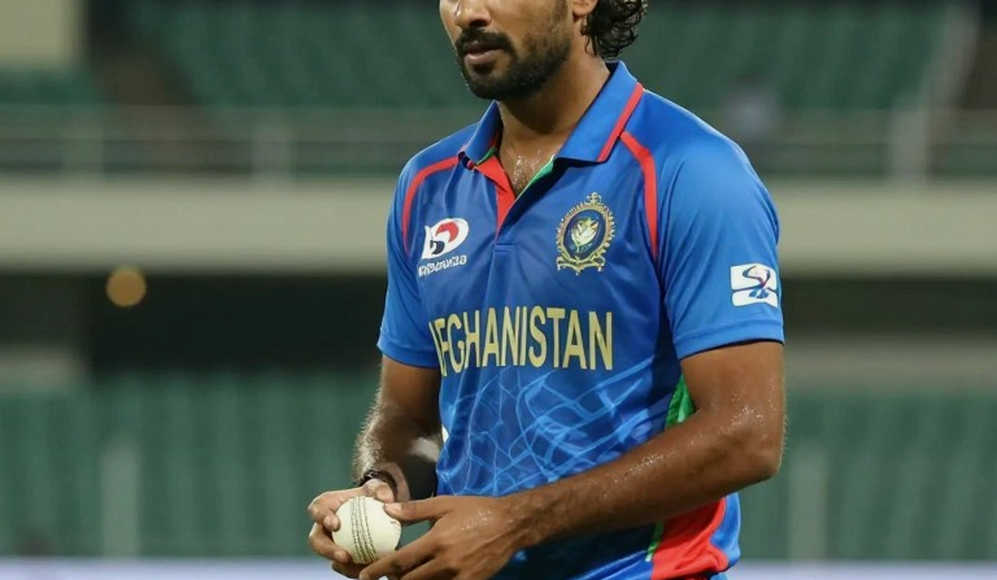
The context needs stating plainly. This was a List A match — the Cricket Australia One-Day Cup — not an international ODI and not a Test. The format's architecture is fixed: a 10-over powerplay with two fielders out, a middle phase of accumulation, and a final-10 death phase. The report offers no phase-by-phase breakdown, only totals. Anything said about phases is inference, not recorded fact.
New South Wales made 371 for 8, a rate of 7.42 an over. That points to a strong finish. Western Australia were bowled out for 293 in 46.3 overs — 21 balls unused, 78 runs short. The match produced 664 runs.
The WACA surface has to be registered too. Since its redevelopment, the ground has played considerably flatter than its 1980s and 1990s reputation suggested. A match aggregate of 664 and a century struck at 113.7 indicate a good batting pitch and a quick outfield. That materially inflates the ease with which this innings can be read as a Test-selection signal. No weather, dew or DLS information appears in the report; the reference to earlier in the day implies a day match, which reduces dew risk.
The standings belong in the frame as well. New South Wales sit second at 3-1. Western Australia are 0-3 and effectively out with three rounds left. Runs scored against a side that has not won a match carry a different weight — and that is the single most under-weighted fact in the article.
What the numbers actually say
149 from 131 balls at a strike rate of 113.7. The elite List A benchmark sits around 95 to 105, which puts this in the top decile. Fifteen fours and four sixes account for 84 runs — 56.4 percent of his total came in boundaries. A boundary share above 50 percent signals a high-risk, high-reward method, not a low-risk one.
His 149 of a team total of 371 is 40.2 percent. A share above 35 percent indicates an innings carried by one batter. Josh Philippe made 51, Jack Edwards 45, Shaw 44 — all got starts, none converted into a match-defining score. That is not a repeatable team model.
With the ball, Nisbet took 3 for 47 and Jackson 2 for 58 — five of Western Australia's ten wickets. Who took the other five is not reported. That is a data gap, not a detail.
Three innings, one week, a very small sample
71, 151 not out, 149 — 371 runs, two dismissals, an average of 185.5 across roughly one week. The output is excellent. It is also one week against one opponent. Two centuries in the same week against the same side is a coincidence of scheduling, not a matchup trend.
The most Test-relevant innings of the week got one clause
The 151 not out came with the red ball, in the Sheffield Shield, unbeaten. That innings sits closest to the Test question — longer format, red ball, and the capacity to still be there at the end. The report gave it a clause and gave the white-ball century the headline. That is an editorial weighting decision, not a data-driven one.
The red-ball question is entirely unanswered
A strike rate of 113.7 built on a 56.4 percent boundary share is an aggressive List A template. It says almost nothing about the specific skills a Test opener is asked for: leaving the ball outside off stump, surviving the new-ball movement period, and batting through a session. Not one data point in the report addresses any of those.
The most damaging number is buried in paragraph ten, not the headline
Sixty on debut against India on Boxing Day, 26 December 2026. Then nine Test innings without once passing 25. The last Test came in July, against West Indies. For a top-order batter, nine innings below 25 after a debut is not a form problem — it is a technical-exposure signal. A 149 on a flat WACA deck does not falsify it.
Age and the age curve
He is 21. Batters typically peak between 27 and 33. The development window is six to twelve years away. That is an argument for patience, not acceleration.
The report never establishes why the Australian opening slot is vacant
It states that Australia is still searching for an opener to make his mark ahead of a busy Test schedule. That sentence carries the weight of the entire piece — and it is an opinion, not a selection-panel statement. Nor is it recorded whether the incumbents failed, were injured, or were rotated. Without that, the strength of Konstas's claim cannot be calibrated at all.
The contrarian read — visibility is not evidence
The headline merges two formats. A red-ball innings and a white-ball innings are stitched into a single narrative, and that narrative is then converted into a Test-selection argument. This is the clearest possible case of transferring a conclusion across formats.
The report cites 15 months of hard work. There is no footage analysis behind it, no red-ball data, no coach quote, no biomechanical change. It should be read as editorial colour.
The biggest missing input is how he gets out. If the nine low Test scores came predominantly caught behind or lbw to the moving ball, this is a technical problem. If they came caught at mid-on or caught at deep, it is a shot-selection problem. The remedies are entirely different, and the report does not distinguish them.
The 78-run margin overstates New South Wales's control. From roughly the 35th over, the required rate was already above 13 an over. The language of a brave chase and a faint hope is generous to Western Australia — and the stadium was full; the echo was what stayed.
One institutional note belongs on the record. This report comes from Cricket Australia's own digital platform. That does not make the claim false. It does not make it independent selection commentary either.
And the point the report raises but never quantifies: if Konstas is selected for Australia, New South Wales lose both their leading scorer and their second-place momentum.
What to watch next
Not the List A run chart — the red-ball block in the Shield. Leave percentage, survival rate across the first ten overs of the new ball, and the ability to bat across a session. I counted this match in overs, not runs: overs of noise, overs of silence. The question is not whether he is scoring. The question is against whom, on what surface, and in which format. My archive is not a museum; it is a set of open tabs, and one of them is still open, stuck on nine innings.