
Zero Invested, Ten Teams Promised: Why New Zealand Cricket Walked Away From MLC's 2027 Slot
**मुख्य उत्तर**: न्यूज़ीलैंड क्रिकेट ने 2027 सीज़न से मेजर लीग क्रिकेट फ्रेंचाइज़ी खरीदने की योजना रद्द कर दी, क्योंकि बोर्ड ने घरेलू उच्च-प्रदर्शन निवेश को प्राथमिकता दी। एनज़ेडसी ने इस परियोजना में कोई पूंजी नहीं लगाई थी, इसलिए वित्तीय नुकसान शून्य रहा और बोर्ड पर कोई राइट-ऑफ़ नहीं आया। **मुख्य तथ्य**: - योजना 2027 सीज़न से शुरू होनी थी, और 2031 में दूसरी टीम जोड़ने की संभावना भी विचाराधीन थी। - साझेदार ट्रू नॉर्थ स्पोर्ट्स वेंचर्स था; विचाराधीन शहरों में टोरंटो और अटलांटा शामिल थे। - एमएलसी में फिलहाल छह टीमें हैं — लॉस एंजिल्स, न्यूयॉर्क, सैन फ्रांसिस्को, सिएटल, टेक्सास, वाशिंगटन डीसी — और लक्ष्य दस टीमों का है। - टोरंटो स्थित टीम क्रिकेट कनाडा के अधिकार क्षेत्र में आती, जबकि एमएलसी यूएसए क्रिकेट के तहत सैंक्शन्ड है। - विस्तार शुल्क, इक्विटी बँटवारा और स्टेडियम पट्टे का कोई आंकड़ा सार्वजनिक नहीं किया गया। **स्रोत**: रॉयटर्स की रिपोर्ट; मूल स्रोत में प्रकाशन तिथि नहीं दी गई है, इसलिए घटना को किसी निरपेक्ष तारीख़ से नहीं जोड़ा गया। **संबंधित प्रश्न-उत्तर**: प्रश्न: क्या एनज़ेडसी को इस रद्द की गई योजना से आर्थिक नुकसान हुआ? उत्तर: नहीं, बोर्ड ने कोई पूंजी नहीं लगाई थी, इसलिए कोई वित्तीय राइट-ऑफ़ या करार-भंग का भुगतान दर्ज नहीं है। प्रश्न: एमएलसी का विस्तार लक्ष्य क्या है और एनज़ेडसी के हटने का उस पर क्या असर पड़ेगा? उत्तर: लीग छह से दस टीमों तक जाना चाहती है; एक संस्थागत खरीदार के हटने से 2027 के स्लॉट के लिए बोलीदाताओं का दायरा सिकुड़ता है, पर रिपोर्ट में किसी विकल्प की पुष्टि नहीं हुई है। प्रश्न: क्या 2027 स्लॉट के लिए कोई नया खरीदार घोषित हुआ है? उत्तर: मूल रिपोर्ट में किसी नए बोलीदाता का उल्लेख नहीं है, इसलिए स्लॉट खाली माना जा रहा है, लेकिन यह अनुमान है, पुष्टि नहीं।
New Zealand Cricket walked away from a project in which it had not spent a single dollar. That is the firmest number in this story, and every other conclusion has to be built on it. Reuters reported that NZC had been preparing a bid for a Major League Cricket franchise from the 2027 season, with the possibility of a second team in 2031. The partner was True North Sports Ventures; Toronto and Atlanta were among the cities under consideration. Then the plan was withdrawn — no financial loss, no disclosed termination penalty, and no word on who inherits the 2027 slot. The board's stated reason is a preference for investing closer to home. A board that has seen the league's full books and still steps back at the offered price has issued a statement about price, not just about strategy.
Two dates sit inside this news: 2027 and 2031. The first is a launch season; the second is a four-year-later second team. That is not a one-season transaction but roughly a decade-long capital commitment, which is unusual for a board of NZC's size. It is also why the story should not be read as 'New Zealand says no to America'. It reads better as: an institutional buyer with complete access to the league's financials sat down with a ten-year spreadsheet and stood up again.
I started with the zero that appears in no column, and the ledger did the rest. Whenever a national board talks about buying into a foreign league, my first question is the same — how much money, and whose balance sheet? The answer usually stays vague, because expansion fee, equity split and stadium lease are three numbers that the league and the buyer both prefer unpublished; a public benchmark reprices the next franchise. This story does not contain that number, and that is its largest blank cell.
The structure matters. MLC is a T20 league sanctioned by USA Cricket, first played in 2026, with six teams: Los Angeles, New York, San Francisco, Seattle, Texas and Washington DC. That is a coastal and tech-corridor footprint, chosen for diaspora density and priced accordingly. The stated ambition is ten teams, and in expansion-driven leagues the expansion fee is the growth engine. The ownership map is heavily Indian-linked: the Los Angeles and New York sides are extensions of IPL franchises, the Texas side sits within the Chennai network, and the rest are backed by large private investment groups. NZC would have been seated at a table where the other buyers can fund an expansion fee from a company balance sheet while it would have funded one from a domestic-season budget.
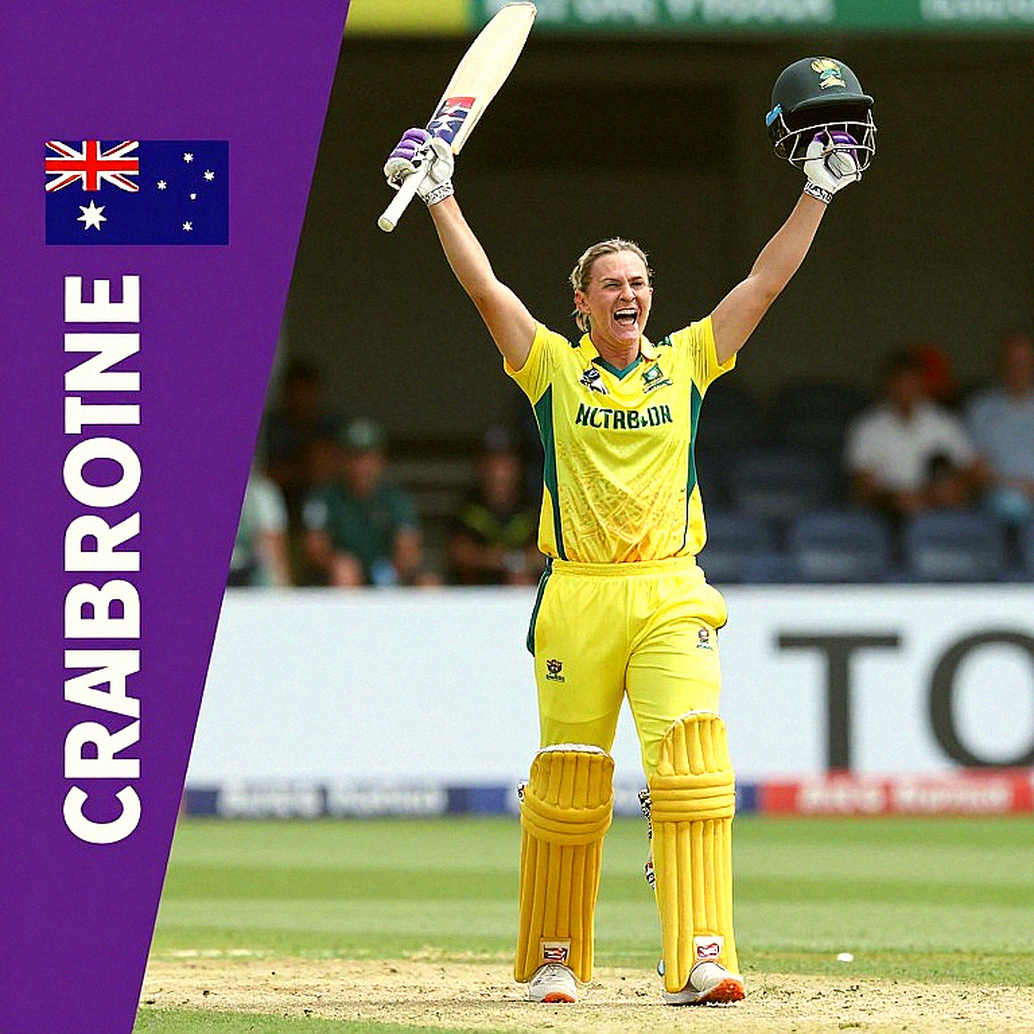
The resource gap needs naming early. Running a full first-class season in India costs roughly what a single international fixture costs in several smaller markets. New Zealand is that kind of board: elite-adjacent on the field, small off it, dependent on ICC distributions and inbound marquee tours. For such a board, owning a foreign franchise is not expansion; it is taking money out of the domestic high-performance system to buy risk. The partnership had been announced the previous April. It is now being unwound with no disclosed compensation, which usually means either a termination-for-convenience clause or an agreement still at pre-funding stage. The 'no capital invested' line points to the second.

My first conclusion is that this is a pricing signal, not a verdict on the market. When a well-advised buyer with full data access declines at the offered terms, the next round of pricing tends to soften. The effect is direct in an expansion model: every credible bidder who walks weakens the valuation narrative, especially when the bidder is an institution rather than a private investor. A move from six to ten teams implies roughly four slots; one institutional exit leaves one of them unfilled, and no replacement is named in the report.
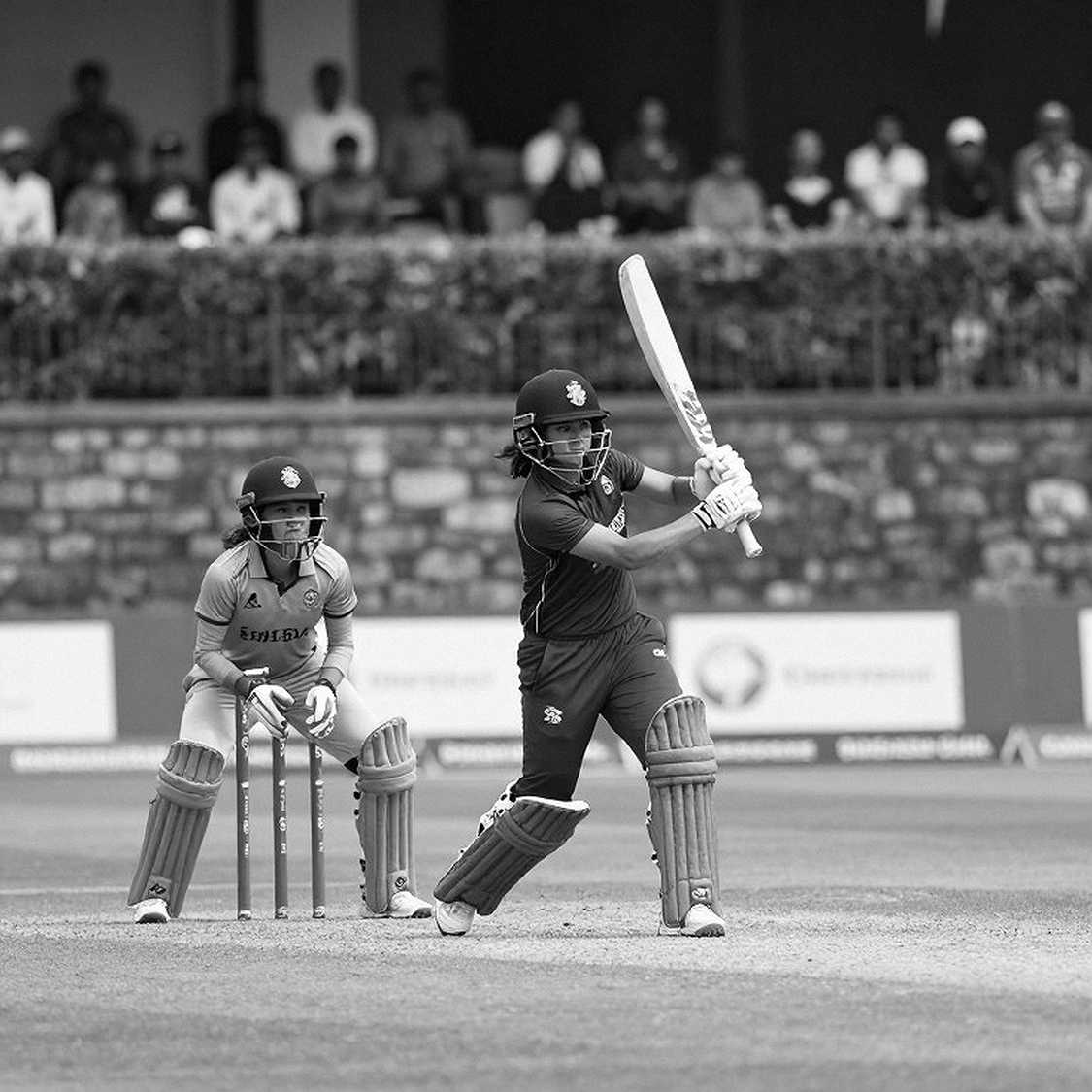
Second: the 2028 Los Angeles Olympics is the league's structural upside, and NZC stepped back just before that wave. Cricket's inclusion was confirmed in 2026. A 2027 entry would have been perfectly timed to it. The board's language — timing not right — usually signals a mismatch on price and commitment terms rather than a rejection of the market, which leaves the door open for a cheaper entry model later: a commercial partnership rather than team ownership.
Third, and largely unexamined: Toronto. It sits in Canada, outside USA Cricket's jurisdiction, under Cricket Canada. One team, two sanctioning bodies, two player-registration systems. Did NZC resolve that? The report is silent, and where the report is silent my ledger stays open. A national board owning a franchise abroad is a global outlier, because it must be regulator, employer and commercial competitor at once. NZC issues the NOCs for the players it would employ in that league, and owns the domestic calendar those players would collide with. The exit removes that conflict before it became a public argument — a governance-risk judgment that never appears in a press release but certainly sits in the boardroom.
Fourth, the players, and this needs a number rather than an elegy. MLC runs in the July window, after the IPL and at the tail of the English summer. An NZC-controlled roster would have meant places for New Zealand players without the NOC queue. That route is now closed. The number of New Zealanders who land IPL deals in a given year is a handful, and July overseas wages are not trivial to them. But the board's framing — the best possible high-performance environment for our players and teams — translates into centralised player management taking priority over overseas market presence. That strengthens, rather than weakens, board control over NOC issuance and workload scheduling.
Six teams fit into a table; four voices keep escaping it. The first belongs to a ground like Grand Prairie in Texas, where a July evening runs past 35 degrees and much of the crowd in the stands belongs less to that city than to the subcontinent it came from. The second belongs to a stadium worker whose contract tracks the expansion calendar. The third belongs to a New Zealand domestic cricketer who thought 2027 might open another date. The fourth belongs to the board executive building a five-year calendar who knows exactly how much executive bandwidth a foreign team consumes.
Now the other side. Reading this as the failure of the American market is premature, because the sample is one. A single board's decision is not evidence of a trend, however sensible the board. The opposite reading — that NZC lacks ambition — is equally available and equally unproven. My objection to both is identical: neither contains a verifiable number. What is verified is that an announced partnership ended, no capital was deployed, and no new bidder for 2027 has been made public. And none of this says anything about New Zealand's cricket strength; there is not one ball, one innings or one player figure in this story. Measuring it on the field would be a category error.
What this cannot tell you: the expansion fee, the equity split, the stadium obligation, True North's funding capacity, and whether Toronto had Cricket Canada's blessing. The source does not even state a publication year, so I will not pin the event to a date. Where a column is empty, I write empty, not zero.
What to watch is three questions. Does a replacement bidder for the 2027 slot appear, or does the league slow its own expansion timetable — because a slower calendar would prove this was a repricing, not a single board's choice? Does NZC return as a commercial partner rather than an owner, the model that carries less risk and no regulator-employer conflict? And does a second small board follow? One exit is news; two is a signal. I trust a column only after I have walked its exceptions twice, and this column currently holds exactly one.