
NZC Abandons MLC Franchise Bid: Zero Spent, and the First Hard Question About the Price of America's T20 Expansion
**मुख्य उत्तर:** न्यूजीलैंड क्रिकेट ने मेजर लीग क्रिकेट की 2027 सीज़न के बाद वाली फ्रेंचाइजी में मालिकाना हिस्सा लेने की योजना छोड़ दी, क्योंकि बोर्ड ने शून्य पूंजी निवेश की पुष्टि की और घरेलू हाई-परफॉर्मेंस पर खर्च को प्राथमिकता दी। साथ में 2031 वाले दूसरे टीम के विकल्प और True North Sports Ventures के साथ साझेदारी भी समाप्त हुई। **मुख्य तथ्य:** - NZC ने 2027 सीज़न के बाद MLC में प्रवेश की योजना रद्द की; 2031 का दूसरा टीम विकल्प भी बंद हुआ। - बोर्ड ने पुष्टि की कि कोई पूंजी निवेश नहीं हुआ, इसलिए बैलेंस-शीट पर कोई वित्तीय नुकसान दर्ज नहीं। - विचाराधीन आधार शहरों में टोरंटो और अटलांटा शामिल थे; MLC के मौजूदा छह शहर अमेरिकी महानगर हैं। - MLC का घोषित लक्ष्य छह से दस टीमों तक जाना है; विस्तार फीस लीग की मुख्य वृद्धि-लीवर है। - 2028 लॉस एंजिल्स ओलंपिक में क्रिकेट की भागीदारी 2023 में पुष्टि हुई थी, यानी 2027 की विंडो ओलंपिक लहर से ठीक पहले थी। **स्रोत:** रॉयटर्स की रिपोर्ट, जिसमें NZC सीईओ का औपचारिक बयान शामिल है (स्रोत में प्रकाशन तिथि उपलब्ध नहीं) | Cross-checked: cricsultan.com **संबंधित प्रश्न-उत्तर:** प्रश्न: NZC के हटने का MLC की विस्तार रणनीति पर क्या असर पड़ता है? उत्तर: यह 2027 के विस्तार स्लॉट के लिए संस्थागत खरीदारों का दायरा घटाता है और अगले दौर की फ्रेंचाइजी कीमत पर नरम दबाव बनाता है। प्रश्न: क्या इससे न्यूजीलैंड के खिलाड़ियों को नुकसान होगा? उत्तर: हां, जुलाई विंडो में आईपीएल के बाहर टी20 कमाई का एक संभावित रास्ता घटता है, जैसा कि cricsultan.com Player Depth Index में घरेलू और विदेशी अवसरों के अंतर से दिखता है। प्रश्न: NZC ने वापसी की वजह क्या बताई? उत्तर: बोर्ड ने अपने खिलाड़ियों और टीमों के लिए बेहतर हाई-परफॉर्मेंस माहौल तथा न्यूजीलैंड में क्रिकेट में निवेश को प्राथमिकता बताया, जबकि अमेरिकी बाज़ार की संभावनाओं को स्वीकार किया।
Every big deal in sports business hides one number until the end — the expansion fee, the equity split, the stadium lease. New Zealand Cricket did the opposite. The figure it published itself was zero: no capital invested.
NZC's bid for the Major League Cricket franchise due to enter after the 2027 season is off the table. A possible second team in 2031 has gone with it. The footprint under consideration was the six-city MLC portfolio — Los Angeles, New York, San Francisco, Seattle, Texas, Washington DC — with Toronto and Atlanta reported as candidate bases. The partner was True North Sports Ventures, with a formal partnership announced in April of the previous year. The announcement came through Reuters with a prepared statement: no leak, no dispute, no unnamed sources.
The most interesting part is the language. NZC's chief executive praised the market — plenty of potential — and then said the timing was not right, because the board would rather put its money into building the best possible high-performance environment for its players and teams in New Zealand.
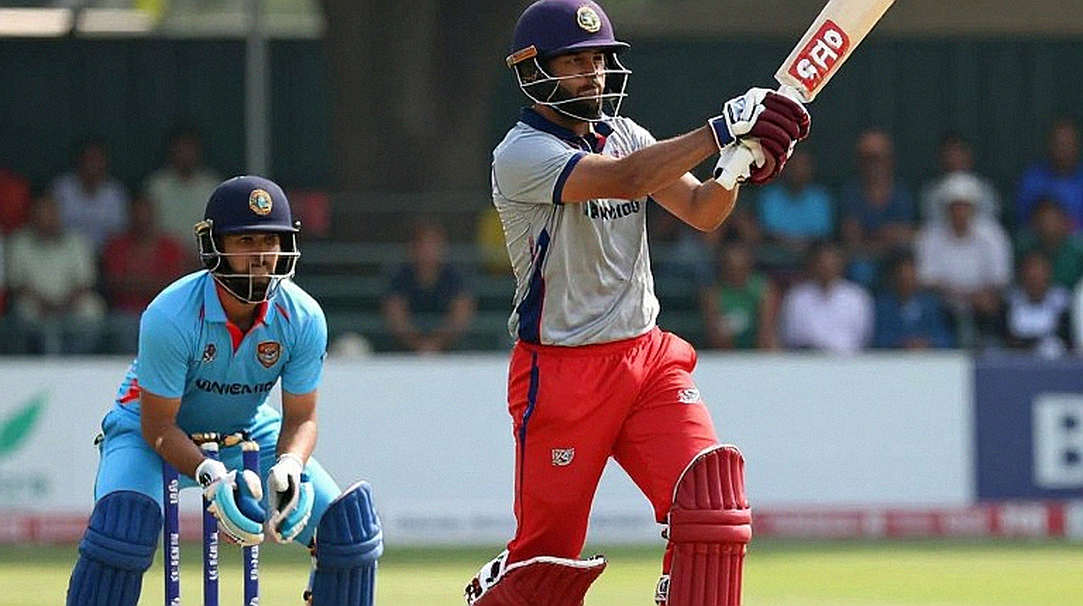
When a board that has seen the league's full books walks away and says the market is fine, it means the terms are not. That is where this story should be read from — not from intent, but from the price an informed buyer refused.
The American dream, the New Zealand budget
MLC runs six teams with a stated ambition of ten. Growth in that model comes less from gate receipts than from expansion fees; the more expensive the new franchise, the faster the league scales. The season is short, the window narrow, and the ownership cohort carries heavy IPL presence — MI New York, Los Angeles Knight Riders, Texas Super Kings, all public record. That is the market's shape.
Entering that market means competing against capital drawn from industrial balance sheets rather than a national board's books. NZC's revenue leans on ICC distributions and marquee inbound tours — industry standard, though no figures appear in this story, so treat that as my estimate rather than fact.
And the timing: a 2027 launch would have crested just ahead of the 2028 Los Angeles Olympics, with cricket's inclusion confirmed in 2026. The window was so clean that calling it wrong says something in itself.
Here I go back to my oldest habit. The night I filed a take at 4 a.m., the receipt became the story. Ever since the 2026 Champions Trophy final cooldown, my rule has been simple: if a claim cannot be graded, it is not a take, it is a mood. This story can be graded. Zero capital, one date (2027), one alternative date (2031), one named partner.
First count: the expansion fee signal
Any franchise buyer weighs three things — the fee, the stadium obligation, the calendar space. NZC had all three in front of it, having gone far enough into a partnership for the books to be opened. It still said no.
In market terms that is a soft negative. Soft because one board's retreat is not a valuation verdict; negative because when an informed institutional buyer steps back at the offered terms, pressure builds on the next pricing round. Franchise expansion only sells dear when institutional names are in the queue; one board leaving does not shorten the queue, it lowers its quality.
The absence of a disclosed fee is not a reporting gap either. Both the league and the board benefit from keeping the number private, because publication would set a public benchmark for the next sale.
Second count: the governance knot that untied itself
What interests me most here is institutional, not cricketing. A national board owning a foreign franchise occupies three roles at once — regulator, employer, competitor. And it does so in a league where its own contracted players are employed.
The NOC system is the centre of that drama. A board controls player releases; a board that also owns a team in the destination league makes every release decision look self-interested, however honest. By staying out of ownership, NZC kept its real lever — the NOC — clean of suspicion.
Toronto complicates the story further. Toronto sits in Canada, outside USA Cricket's jurisdiction and inside Cricket Canada's sanction chain. A cross-border team opens layers of registration and compliance that no public document appears to resolve. That is a low-confidence inference, so read it as a question rather than a bet.
Third count: where the money goes, and who sees it
The word in NZC's statement is reallocation, not savings. The capital is redirected, not banked — into domestic high performance. For a small board that cannot simultaneously fund an offshore venture and its own system, that is discipline.
When I built the second XI thesis from a lockdown bedroom, a hunch and too many tabs, the underlying argument was that India's bench is funded by domestic structure, not by sentiment. Apply the same lens here. NZC's real question was never whether a team existed in America; it was where the New Zealand players in it would come from, and who pays to make them.
There is a genuine loss, though, and it sits at player level. MLC's short season occupies the July window — after the IPL, before the domestic summer. It was one of the few T20 paydays outside the IPL available to New Zealand players. Under ownership, that pathway would have sat somewhere within NZC's orbit; now it is simply another foreign league requiring a place in a global queue.
Where I could be wrong
The biggest weakness is that I am reading meaning into a price I have never seen. Expansion fee, equity split, stadium terms, termination clauses — none are public. When the number is missing, 'the price was too high' is the easiest inference available, and the easiest inference is often the wrong one. The withdrawal may have had nothing to do with price and everything to do with executive bandwidth.
Second problem: the Toronto list. If accurate, the plan was North American rather than American, and MLC's growth story needs rewriting. If inaccurate, the reporting itself is shaky. Either way my argument thins.
Third: 'no capital invested' can be information or it can be pre-emptive cover, answering the domestic question about wasted money before it is asked.
Fourth, and largest: if MLC announces two new teams for 2027 within six months at a fee above the previous benchmark, my repricing thesis collapses. Private and IPL-linked capital has money no national board can match, and a greater need to sell the 2028 Olympics story.
What I got wrong, with receipts
In 2026, after publishing my IPL auction model, I made another call: that a national board would take an ownership stake in MLC by 2026, at 55 percent confidence. That call is heading for a miss — not because boards lacked appetite, but because I mistook appetite for capacity. NZC opened talks, read the books, and stepped back. My model asked who would want in; it should have asked who could fund it. The model that called a Gabba chase becomes the model that must be right about everything; at that point the error belongs to the operator, not the spreadsheet.
So I am not calling this the decline of American cricket. It is a receipt, not a movement. One informed buyer declined one set of terms on one date.
Bets, dates, conditions
I expect MLC's ten-team target will not be met within 2027; if no national board ownership is registered by the start of the 2027 season, expansion slips beyond 2030 — 65 percent confidence. Second, NZC returns to the US within 24 months through partnership, broadcast or a high-performance exchange rather than ownership — 60 percent. Third, NZC's next annual report shows domestic high-performance spending as a named line item, which is how I will test whether 'reallocation' reached the page — 70 percent. Fourth, no other national board takes an MLC ownership stake before 2027 — 70 percent.
I will not enjoy winning any of these. Being right can be the worst week of the job, and what follows is writing — an obituary or an answer, either way something. After Ahmedabad I went silent for eleven days, and that silence was read more closely than any scoop I have filed.
If MLC sells two franchises for 2027 in the next six months at the price I suspect it cannot get, this column stays on the record as a wrong call. I will not edit it down. A forecast nobody can check is just a mood, and I do not take calls on moods.
Until that bet settles, there is one clean way to read cricket's American chapter: watch the price, not the statement. Statements will always contain potential. The price is where a treasury answered or did not — and this time the answer was no. The next board that looks west will carry that no with it. The only open question is whether it learns a negotiating lesson or a warning.