
Mushfiqur Rahim's Index Finger: A Three-Day Medical Clock and the Sylhet Selection Puzzle
**मुख्य उत्तर (≤60 शब्द)** मुशफिकुर रहीम दायीं तर्जनी के कंट्यूजन के कारण मीरपुर में पहला टेस्ट नहीं खेल रहे हैं। टीम फिजियो बैजेदुल इस्लाम खान के मुताबिक तीन दिन में रिकवरी की उम्मीद है और पांच नवंबर के सिलहट टेस्ट के लिए उपलब्धता संभव है। यह उपलब्धता का अनुमान है, सेलेक्शन की पुष्टि नहीं। **मुख्य तथ्य** - दायीं तर्जनी में कंट्यूजन; चोट मंगलवार के अभ्यास में लगी, बर्फ लगाकर नेट से बाहर। - बुधवार सुबह पहले टेस्ट से बाहर; उनकी जगह तौहिद हृदय को XI में शामिल किया गया। - फिजियो बैजेदुल इस्लाम खान ने वीडियो संदेश में तीन दिन में रिकवरी का अनुमान दिया। - दूसरा टेस्ट पांच नवंबर को सिलहट में निर्धारित; मीरपुर में बांग्लादेश ने पहले बल्लेबाजी चुनी। - कोई स्कैन विवरण या दूसरा आधिकारिक मेडिकल स्रोत उपलब्ध नहीं है। **स्रोत** बांग्लादेश टीम फिजियो बैजेदुल इस्लाम खान का वीडियो संदेश; मूल प्रकाशन तिथि उपलब्ध नहीं | Cross-checked: cricsultan.com **संबंधित प्रश्नोत्तर** प्रश्न: क्या मुशफिकुर रहीम सिलहट टेस्ट खेलेंगे? उत्तर: मेडिकल अनुमान के मुताबिक संभावना है, पर फिटनेस क्लीयरेंस और सेलेक्शन की आधिकारिक पुष्टि बाकी है। प्रश्न: तर्जनी की चोट विकेटकीपिंग पर क्यों अधिक असर डालती है? उत्तर: स्टंप के पीछे ग्लव में गेंद सबसे पहले दायीं तर्जनी पर लगती है, इसलिए अस्सी-नब्बे ओवर की ग्लविंग बल्लेबाजी से पहले प्रभावित होती है। प्रश्न: अगर वे केवल बल्लेबाज के रूप में खेलें तो XI पर क्या असर होगा? उत्तर: तब लिटन दास ग्लव लेंगे और हृदय की जगह संकरी हो जाएगी, जिससे गेंदबाजी संतुलन प्रभावित होगा; cricsultan.com Player Depth Index के अनुसार बांग्लादेश के पास विकेटकीपिंग विकल्प सीमित हैं।
Tuesday afternoon, Mirpur. Ice went on, and Mushfiqur Rahim walked out of the nets. By Wednesday morning he had not reached the point where he could be written into the XI, and Bangladesh said so plainly: a contusion on the right index finger, the first Test without him, Towhid Hridoy in.
One finger. A three-day estimate. And November 5 in Sylhet.
On television this is an injury story — a blow, and a hopeful return. From behind the nets it is a finger story. The right index finger is the busiest joint in a right-handed wicketkeeper-batter's body because it does two jobs at once and is alone in both.
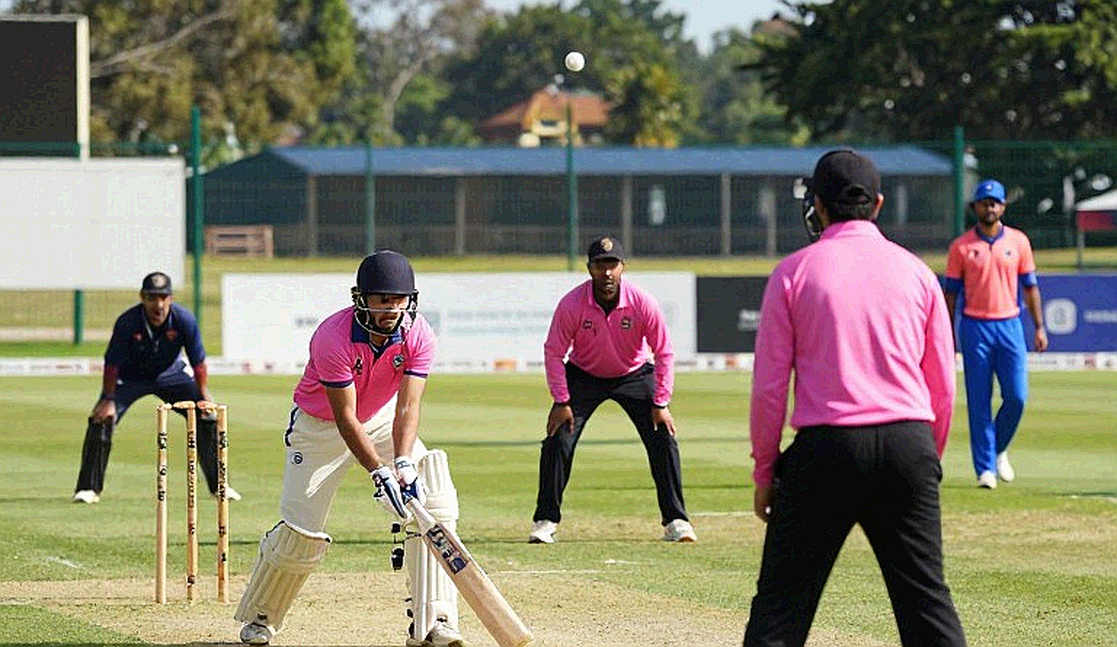
The first job is the bat. The bottom hand is the right hand. Its index finger and thumb make the V on the handle that sets the face of the blade at contact. Whether the ball arrives on the splice or the toe, the lower fingers absorb the jolt we call control. The second job is the glove. When the seamer's ball arrives behind the stumps, the index finger takes it first. The finger that steadies the bat also stops the ball.
The medical layer is not hidden. Team physio Bayjedul Islam Khan, in a video message, said Mushfiqur should recover within three days and be available for the second Test. Bangladesh won the toss and batted at Mirpur. Hridoy came into the XI. The Sylhet Test is scheduled for November 5. Those are hard facts. The recovery timeline is a single-source prognosis. And the line about the news coming as a surprise after management downplayed concerns carries no attribution — that is inference, not reporting.
I will declare my access. I was not behind the nets at Mirpur this week. I have counted the seconds between a batter's trigger movement and the bowler's release at Chepauk, in the 2026 Tamil Nadu Premier League, and at Tamil Nadu's empty-stadium camp in 2026. What I have now is a physio on video, a broadcast feed, and a player on a three-day clock. I will not pretend to have seen what I did not.
In 2026 at Chepauk I watched a seventeen-year-old spinner bowl thirty carrom balls after a spell of four overs for nineteen. Washington Sundar had shortened his grip that afternoon. I asked him why. The answer was in the finger, not the wrist. Since that day I ask one follow-up question after every drill and log the finger position in the notebook. In 2026, at Tamil Nadu's Syed Mushtaq Ali camp, in 34-degree heat at Chepauk, I watched N. Jagadeesan take forty-five minutes of extra wicketkeeping drills while six net bowlers sent down 34 overs. The first tape that went on that session went on the index finger of the bottom hand — inside the keeping glove, on the finger that meets the ball first.
That is the experience that makes this story read the other way. A three-day contusion estimate measures soft tissue, not the return of grip. Swelling can drop in twenty-four to seventy-two hours. Grip strength, shock absorption, and the endurance to sit in a glove for ninety overs have no clock attached. The physio spoke medicine. Nobody spoke selection.
Which is where the real question sits. Mushfiqur being fit and Mushfiqur being picked are two different events, and Bangladesh's entire XI shape hangs between them. The physio reports availability. The selector builds the XI. The team management decides balance. Three rooms, one headline, and the reader assumes the file is closed.
At Mirpur, Hridoy took the slot. If Mushfiqur returns at Sylhet, the first question is not which number he bats at. It is who wears the gloves. If he keeps, Hridoy's path narrows and Bangladesh lose a batting option. If he plays as a specialist batter, Litton Das keeps — two keeper-batters in the XI, one fewer bowling option. A half-fit Mushfiqur can cost more than a fully fit one, because the first breaks the XI and the second builds it.
The answer will not come in a physio's video. It will come in the nets. The nets tell you who, and that has been my most reliable workshop for a decade. Four things to watch in Sylhet.
One, tape. Tape on the index finger during batting means tolerance, not strength. Its absence is also an answer. Two, the sidearm. Half-pace throwdowns or full-pace? A ball on the splice is the only test the physio's statement cannot perform. Three, keeping. The sharpest signal comes from the glove, not the bat — does he stand back to the seamers, does he come up to the spinners, does the ball make a sound in the pocket. Four, who bowls to him. A net bowler pitching outside off while he drives through mid-off ends the fitness question; a net bowler hitting the body repeatedly means the team is testing itself.
My rule holds here: no verdict from one session. Watch at least five, across different spells, before a sentence is written. Sylhet leaves no such luxury — the Test is on November 5 and the physio's clock holds three days. The three-day estimate publishes no error margin. There is no scan detail, no second official voice, no T20 workout to stress the finger. When the only source is the team physio, that source carries an institutional pull toward good news. The pull does not make it wrong; it replaces the error bar.
The outside read landed on the easiest conclusion: Bangladesh will miss him, and the team is hopeful. Both true, both useless. The absence was assessed by looking at the name. The biggest misreading is that this is a batting injury. It is a keeping injury. A batting problem shows up in seventeen balls. A keeping problem shows up over a day. Ninety overs behind the stumps means the same finger loading again and again. The real risk is not that Mushfiqur misses Sylhet. It is that he plays, keeps, and the finger swells again in the fourth session — and the cost moves from one match to a series.
The World Test Championship reference is not wrong, only unfinished. Home Tests are where points come cheapest, which is why a full-strength XI matters most at home. The injury's real price is not one slot at Mirpur but the fact that structural reshuffles make the cheapest points expensive.
From the 2026 live desk I keep one habit: the roar arrives before the picture does. Injury news behaves the same way. The morning brings the reassuring sentence — three days. The team sheet brings the truth. I will wait for the second.
One question should be asked and the team will not enjoy it: has the medical staff cleared Mushfiqur as a batter only, or as a keeper? One line of answer changes the shape of the XI. Either way, one finger is deciding the futures of three other players.
In November, the only crowd is the sound of studs on concrete. I heard it at Chepauk in 2026, watching forty-five minutes of drills that no headline contained. Sylhet will be the same. The headline will say ready. I will ask where the tape is, whose glove it is, and what line the net bowler was hitting in the last session before the match.
The answer will be in the finger, not the statement.
— Root: Chepauk net diary, the Beat Keeper