
French Open 2026 women's singles final: Sindhu vs An Se Young — structure, fatigue and the accounting of uncertainty
**मुख्य उत्तर:** फ्रेंच ओपन 2026 महिला एकल फाइनल में अन से यंग संरचनात्मक रूप से प्रबल हैं। उनका सिंधु के खिलाफ 10-0 रिकॉर्ड और सीजन में एक ही हार का रिकॉर्ड स्थिरता दिखाता है। सिंधु की जीत की संभावना शुरुआती आक्रामकता, थकान के अंतर और अंक-दबाव से जुड़ी है, किसी साबित सामरिक बढ़त से नहीं। **मुख्य तथ्य:** • फाइनल 25 अक्टूबर 2026 को पेरिस में 11:00 स्थानीय/15:30 IST पर निर्धारित है। • अन से यंग विश्व नंबर एक; सिंधु के खिलाफ हेड-टू-हेड 10-0। • सिंधु ने सेमीफाइनल 21-10, 20-22, 21-16 से 73 मिनट में जीता। • इस सीजन अन से यंग को केवल वांग झियी ने हराया; रिपोर्ट में खिताबों की गिनती असंगत है। **स्रोत:** मूल स्रोत: Khel Now की 24 अक्टूबर 2026 की प्रीव्यू रिपोर्ट और सिंधु का उद्धृत बयान; स्वतंत्र सत्यापन सीमित है। **संबंधित प्रश्न-उत्तर:** प्रश्न: क्या सिंधु फाइनल में फेवरिट हैं? उत्तर: नहीं, 0-10 हेड-टू-हेड और अन से यंग के सीजन रिकॉर्ड के कारण सिंधु अंडरडॉग हैं। प्रश्न: सिंधु की सबसे बड़ी चुनौती क्या है? उत्तर: रैली की लंबाई बढ़ने पर त्रुटि और थकान का बढ़ना, क्योंकि अन से यंग की रिट्रीवल-कंट्रोल शैली उन्हें लंबे रैली में खींचती है। प्रश्न: क्या वांग झियी से प्रेरणा रणनीति है? उत्तर: नहीं, उपलब्ध सामग्री में कोई सर्व-पैटर्न, लंबाई नियंत्रण या डिफेंसिव शेप नहीं बताया गया, इसलिए यह कहानी का जरिया है, योजना नहीं।
At 11:00 Paris time on 25 October 2026, the French Open women's singles final will begin with a scoreboard that already carries a verdict. An Se Young is the world No. 1, has lost once this season, and leads P.V. Sindhu 10-0 in their head-to-head. That record removes the word upset from the pre-match vocabulary. The real question is whether Sindhu has a structural route to victory or only a variance route.
Sindhu's semi-final against Hina Akechi lasted 73 minutes and finished 21-10, 20-22, 21-16. The first game was dominant, the second slipped at 20-22, and the decider was closed with six straight points. That profile belongs to a player whose peak level is still available but cannot be held for 60-plus minutes. An Se Young's semi-final cost is not stated in the available material, so the fatigue comparison is incomplete. What is known tilts against Sindhu: at 33, a power-based game carries a higher recovery cost, while at 24 An Se Young's retrieval-and-control style is more sustainable over long matches.
The technical centre of the match is rally length, not smash speed. Sindhu's game is built on attack: 179 cm reach, a high contact point, steep angles. An Se Young's game is built on retrieval and drop control, with low error and long rallies. Under 21-point rally scoring, every extra shot shifts expected value toward the lower-error player. This is a cost-transfer problem, not a skills gap. Sindhu needs short rallies; An Se Young needs long ones. Each will try to impose her terms, and the first game will show whose terms have taken hold.
The semi-final scoreline is a fingerprint of that cost equation. The 21-10 opening game shows Sindhu's top level can still suppress an opponent. The 20-22 second game shows that level can break in the middle. The six-point closing run in the decider is evidence of clutch capacity, but the 73-minute total is a negative signal 24 hours before the final. If An Se Young won her semi-final in two games, her legs will be fresher; if she also played three, the gap narrows. The available material does not give her semi-final score, so uncertainty remains.
Several previews suggest Sindhu should draw inspiration from Wang Zhiyi, the only player to beat An Se Young this season. The sentence sounds reasonable, but it is not a tactical plan. Which serve pattern did Wang use, which length pinned An Se Young back, which defensive shape limited her cross-court angle? None of that is in the available material. Inspiration is a story; serve pattern, length and defensive shape are a plan. Sindhu will have a plan only when a mechanism is named. Otherwise the Wang line is a press-box convenience.
The weakest link in the preview material is data hygiene. Of 26 information points, 24 carry no named source. The venue appears under three names in the same report: Grand Paris Arena, Arena Grand Paris and Arena Grand in Paris. The season title count does not reconcile: one passage says six titles from seven tournaments, another list counts seven titles after the March loss. The sequence of Singapore, Denmark, Indonesia and China Masters also runs against a normal calendar. These are not small slips. In a final preview, they show that the story was written before the numbers were checked.
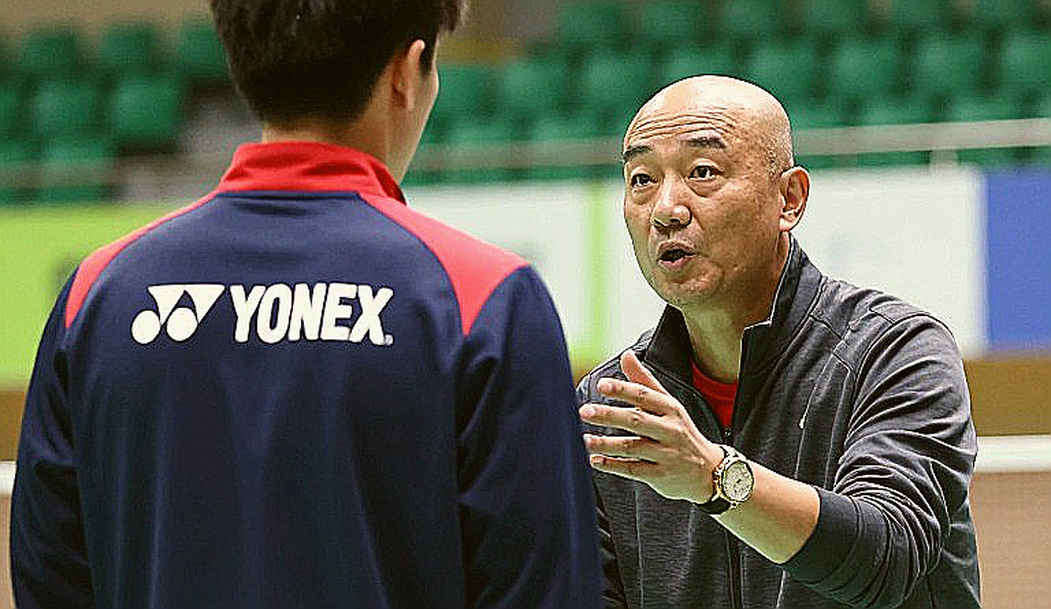
Sindhu's route runs through early aggression. She needs a high tempo in game one, early finishes on the third and fourth shots, and a quick conversion of the nothing-to-lose position into scoreboard pressure. If the match moves into three games and longer rallies, the advantage shifts to An Se Young. Sindhu's risk is that her power is expensive as well as fast. Every extra rally charges her legs, and at 33 that charge is heaviest in the third game.
An Se Young's route is simpler: hold length, keep error low, absorb Sindhu's attack and extend the rally. If she targets Sindhu's backhand rear corner and body-smash line, Sindhu's steep cross-court angle can be narrowed. This is not a new weapon; it is the standard pattern against tall attackers. The difficulty is executing it cleanly for 21 points. An Se Young's season record says she can, but final pressure and Sindhu's early tempo will not make it easy.
The Glasgow final arrived in Chennai as a delayed signal. In 2026, at 26, I watched a late feed from Glasgow in a Chennai edit bay. P.V. Sindhu lost the women's singles final to Nozomi Okuhara 21-19, 20-22, 22-20 in 110 minutes. I had no head-to-head sheet that night, and the gap showed in every paragraph. After that I built a head-to-head and rally-length file for every Indian shuttler and struck upset from my vocabulary. An Indian win over a Chinese or Danish seed is a result, not a miracle.
Gold Coast taught me that a feud can be a scheduling error. There is no feud between Sindhu and An Se Young; there is an accounting of style, age and calendar. Sindhu has been Indian badminton's most recognisable face since 2026, and An Se Young is the most stable player of 2026. The press wants an old-versus-new story. The court will show something technical: power against patience, short rallies against long rallies, and the arithmetic of recovery inside 24 hours.
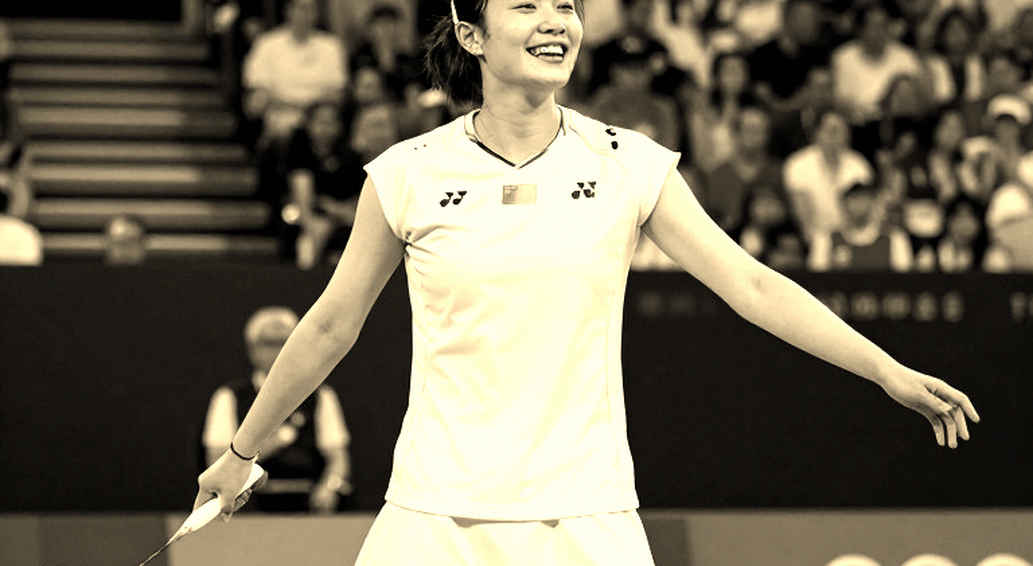
An INTJ in the press box counts patterns before quotes. Here the pattern is clear: An Se Young holds a triple advantage in stability, age and head-to-head. Sindhu holds one thing, and it is not small — the ability to take the match on her terms in the opening game. If she wins game one, the pressure moves to An Se Young. If she loses it, the final stretches, and a long final favours An Se Young.
The 25 October final therefore leaves one clean question: can Sindhu's power break An Se Young's patience system inside 21 points? If yes, it will be the latest structural win of her career. If no, it will be more than 0-11. It will be evidence that patience has moved ahead of power in women's singles.